What Is the Best Window Tint for Georgia Summer Heat?
Georgia summers are hard on both drivers and vehicles. Long stretches of heat, humidity, and strong UV exposure can turn a parked car into an oven, force the air conditioner to work harder, and gradually fade leather, vinyl, dashboards, and trim. That is why many drivers in Roswell, Fulton County, and across Metro Atlanta ask the same question: what is the best window tint for Georgia summer heat? The short answer is that ceramic window tint is often one of the smartest options because it can reduce heat, cut glare, and block harmful UV rays without relying on a metallic layer. Still, the right tint depends on your budget, Georgia tint laws, how dark you want the glass to look, and whether you want to avoid issues with signal-sensitive electronics like phones, GPS, and toll transponders. This guide breaks down how automotive window tint works, how the major tint types compare, and how to choose the best solution for long-term comfort, appearance, and value.
Table of Contents
- Why Georgia Summers Are So Hard on Vehicle Interiors
- How Window Tint Actually Blocks Heat and UV
- Types of Window Tint Available
- The Best Window Tint for Georgia Summer Heat and Why
- Georgia's Legal Tint Limits and Other Factors to Consider
- Dyed vs Carbon vs Ceramic Tint Comparison
- Window Tint vs Sunshades, Remote Start, and Other Cooling Methods
- Frequently Asked Questions About Window Tint for Georgia Summer Heat
- Final Thoughts on the Best Window Tint for Georgia Summer Heat
Why Georgia Summers Are So Hard on Vehicle Interiors
Georgia summer heat is not just uncomfortable. It can take a real toll on your vehicle's interior. In Roswell and surrounding Metro Atlanta communities, cars often sit in direct sun for hours at offices, shopping centers, school pickup lines, driveways, and parking decks. The result is a cabin that heats up quickly and stays hot long after you get back in.
Parked vehicles trap solar heat fast
Glass allows visible light and solar energy into the cabin, but once interior surfaces absorb that heat, much of it stays trapped. Seats, dashboards, steering wheels, center consoles, and door panels all warm up and radiate heat back into the air. That is why even a short stop in Georgia can leave your car feeling dramatically hotter than the temperature outside.
UV exposure accelerates interior fading and wear
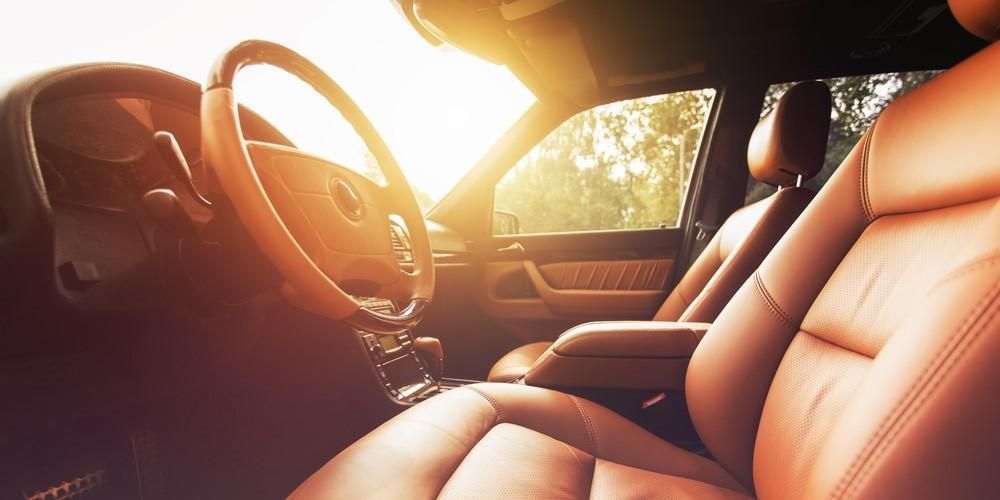
Heat is only part of the issue. Ultraviolet rays contribute to fading, cracking, drying, and discoloration of interior materials over time. Leather, synthetic leather, vinyl, plastic trim, and even infotainment screen surfaces can all be affected by years of intense sun exposure. Many people searching for reduce car heat window tint solutions are also trying to protect a vehicle they plan to keep for years.
Air conditioning has to work harder in a hotter cabin
When the interior starts out extremely hot, your AC system has to work longer to bring the cabin back down to a comfortable temperature. That means more strain during every summer drive, especially in stop-and-go traffic around Fulton County. Window tint cannot replace air conditioning, but it can help reduce the initial heat load the system has to fight.
How Window Tint Actually Blocks Heat and UV
Window tint improves the performance of your vehicle's glass by reducing the amount of solar energy that enters the cabin. Different tint technologies do this in different ways, which is why two films that look similar in darkness may perform very differently in real Georgia heat.
Solar heat includes visible light, UV, and infrared energy
Sunlight is made up of multiple components. Visible light affects how bright the cabin feels. UV radiation is a major contributor to fading and material damage. Infrared energy plays a major role in heat buildup. A high-performing tint manages these categories more effectively than a basic film, which is why product type matters as much as tint shade.
Darker does not always mean cooler
One of the most common misconceptions about automotive tint is that darker glass automatically means better heat rejection. In reality, modern premium films can deliver strong heat control without being the darkest option. This is especially important for drivers who want to stay within Georgia tint laws while still getting meaningful comfort improvements.
UV protection helps preserve the interior
Quality automotive tint is designed to block a high percentage of harmful UV rays. That can help reduce fading in seats, dash materials, carpeting, and trim. It also makes the cabin more comfortable during bright summer drives. For many drivers, the best window tint for Georgia heat is not just about temperature. It is also about long-term interior preservation.
Types of Window Tint Available
If you are researching car window tinting Fulton County options, you will usually compare three main categories: dyed tint, carbon tint, and ceramic tint. Each one has a different balance of price, heat performance, appearance, and longevity.
Dyed window tint
Dyed tint is often the most budget-friendly option. It can improve appearance, reduce some glare, and provide a darker look that many drivers want. However, it is usually the least effective category for blocking heavy summer heat. Lower-end dyed films may also be more prone to fading or shifting color over time.
Carbon window tint
Carbon tint is often viewed as a step up from dyed film. It typically offers better heat control, a richer non-reflective appearance, and improved durability. For drivers who want a solid middle-ground option between entry-level tint and premium ceramic products, carbon can be a practical choice.
Ceramic window tint
Ceramic tint is widely considered the premium category for drivers who prioritize performance. It is designed to deliver excellent heat rejection, strong UV protection, glare reduction, and stable long-term appearance without using a metallic construction. That makes ceramic window tint Roswell GA searches especially common among vehicle owners who care about comfort and technology compatibility.
The Best Window Tint for Georgia Summer Heat and Why
For most drivers asking about the best window tint for Georgia heat, ceramic tint is the top recommendation. The reason is simple: Georgia summers demand strong heat control, reliable UV protection, low glare, and long-term durability. Ceramic film generally delivers the best overall balance of those benefits.
Why ceramic performs better in extreme summer conditions
Ceramic tint is engineered for high heat rejection and strong infrared management while maintaining good clarity. In everyday use, that can mean a cabin that feels less brutal after parking in the sun, reduced glare during afternoon driving, and better protection for the interior. It also appeals to drivers who want premium performance without a shiny metallic look.
Why 3M ceramic tint is a strong premium option
East Coast Tint Enterprise is an authorized 3M dealer using 3M window tint products, including the Ceramic IR Series and Crystalline Series. For Georgia drivers who want premium performance, 3M ceramic tint is naturally positioned as a high-end solution because it is chosen for superior heat rejection, strong UV protection, no metallic signal interference, and long-term color stability without fading or purpling. That makes it especially relevant for drivers who spend a lot of time in summer traffic or park outside regularly.
When another tint type may still make sense
Ceramic is not automatically the right choice for every vehicle owner. Some drivers prioritize the lowest upfront cost, while others want a simpler appearance upgrade on an older vehicle. Carbon tint may offer a useful middle ground for people who want better performance than dyed film without moving all the way to a premium ceramic option. Even so, for overall Georgia summer performance, ceramic is usually the benchmark.
Georgia's Legal Tint Limits and Other Factors to Consider
Choosing the right tint involves more than performance alone. Drivers should also consider legal compliance, desired appearance, electronics compatibility, and long-term value before making a final decision.
Georgia tint laws matter before you choose shade
Georgia tint laws are one of the first things drivers should consider. The legal darkness allowed can vary by window location and vehicle type, so it is important to select a film that delivers heat reduction while staying compliant. This is one reason many drivers look beyond darkness alone and focus on better-performing films that can reject heat effectively at legal shades.
Signal-sensitive electronics are worth considering
Modern vehicles rely on phones, GPS, Bluetooth accessories, navigation systems, toll tags, and other wireless technology. Because ceramic tint does not rely on metallic content, it is often preferred by drivers who want to avoid possible interference concerns. That can be an important advantage for daily commuters in Roswell and Metro Atlanta.
Appearance and visibility should match your goals
Some drivers want a darker, more private look. Others want a cleaner, nearly invisible finish that still cuts heat and glare. The right choice depends on your vehicle, your preferences, and how often you drive at night or in heavy rain. The best result comes from balancing legal limits, comfort, and usability.
Long-term durability affects true value
Low-cost tint can be tempting, but if it fades, bubbles, or shifts to a purple tone, the long-term value drops quickly. Many vehicle owners search window tinting near me because they want immediate relief from heat. A better approach is to choose a product and installer that can provide lasting performance and a finish you will still be happy with years later.
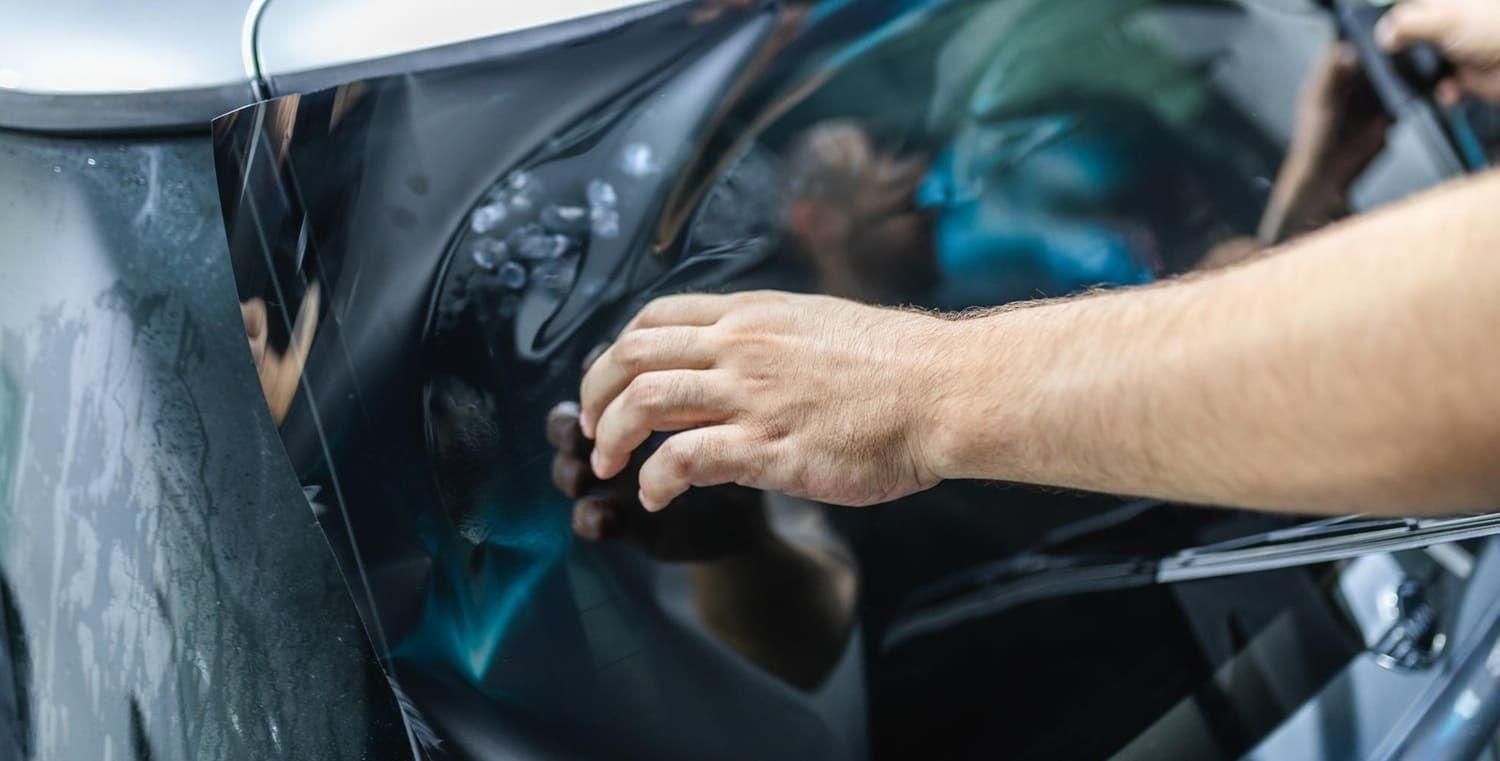
Dyed vs Carbon vs Ceramic Tint Comparison
If you want the short answer, ceramic tint is usually the best overall option for Georgia summer heat because it offers the strongest combination of heat control, UV protection, clarity, and durability. The table below gives a practical side-by-side comparison.
| Tint Type | Heat Rejection | Infrared Rejection | UV Protection | Glare Reduction | Visual Clarity | Signal Interference | Lifespan / Warranty |
|---|---|---|---|---|---|---|---|
| Dyed | Low to Moderate | Low | Good | Moderate | Fair to Good | None | More prone to fading, bubbling, or purpling over time |
| Carbon | Moderate to High | Moderate | Very Good | High | Good | None | Better long-term stability than basic dyed film |
| Ceramic | High | High | Excellent | High | Excellent | No metallic signal concerns | Typically the best long-term color stability and premium warranty support |
What this means for Georgia drivers
If your car becomes unbearably hot during summer afternoons, dyed tint is usually not the top performer. Carbon can be a solid middle-tier solution for drivers who want improved heat control without going premium. Ceramic is generally the best fit for drivers who want maximum comfort, strong UV blocking, no signal concerns, and long-term appearance stability.
Why premium tint often pays off over time
The difference in upfront cost can seem significant at first, but the long-term value can be better with a premium product that performs well and ages cleanly. If you keep your vehicle for several years, the benefits of improved comfort, preserved interior materials, and reduced risk of fading or color shift can justify the investment.
Window Tint vs Sunshades, Remote Start, and Other Cooling Methods
Window tint is not the only way to keep a car more comfortable in Georgia heat, but it is often one of the most effective upgrades because it works every time the vehicle is exposed to sun. Other solutions help too, but they play different roles.
| Option | Heat Control | UV Protection | Convenience | View Impact | Best Use Case |
|---|---|---|---|---|---|
| Window Tint | High with premium film | High | Always working once installed | Minimal when properly selected | Daily heat and glare reduction |
| Sunshade | Moderate, mostly at windshield | Limited | Useful but must be deployed each time | No driving impact when removed | Added parked-car protection |
| Ceramic-Coated Glass Cleaners | Low | Low | Easy to apply | Minimal | Visibility maintenance, not major cooling |
| Remote Start / Running AC | Moderate to High once active | None | Convenient if equipped | None | Pre-cooling before entry |
Why tint complements other cooling methods
Sunshades can help block some sunlight while parked, and remote start can pre-cool the cabin before you get in. But neither changes how much heat the side and rear glass allow into the cabin throughout the day. Tint works directly at the glass, which is why it remains one of the best first upgrades for drivers who want consistent heat reduction.
Why coatings and cleaners are not the same as film
Some products marketed for glass care improve water behavior or surface appearance, but they are not a substitute for professional automotive film. If your real goal is to reduce heat, cut glare, and protect the interior, a properly selected tint is far more relevant than a detailing product alone.
Frequently Asked Questions About Window Tint for Georgia Summer Heat
What is the best window tint for Georgia's summer heat?
For most drivers, ceramic tint is the best overall choice because it delivers strong heat rejection, UV protection, glare reduction, and long-term durability without metallic signal concerns.
Will tint really make a car cooler?
Yes, high-quality tint can reduce solar heat entering the cabin, which often makes the vehicle more comfortable and easier to cool in Georgia summer weather.
Does window tint block UV rays that fade interiors?
Quality automotive tint is designed to block a high percentage of harmful UV rays, which helps reduce fading and wear on seats, dashboards, trim, and other interior materials.
How dark can car window tint legally be in Georgia?
Legal limits depend on the window location and vehicle type, so the best approach is to choose a compliant film that still offers strong performance at legal shades.
Does darker tint always mean better heat rejection?
No. Many premium films provide excellent heat control without being the darkest option, so darkness alone is not a reliable measure of performance.
Will tint help with AC performance and gas mileage?
It can reduce the amount of heat your AC must fight, which can improve comfort and reduce cabin cooldown demand, though exact fuel-related effects vary by vehicle and driving habits.
Does tint interfere with phone signal, GPS, or toll tags?
Ceramic tint is often preferred for signal-sensitive vehicles because it does not rely on metallic construction that may interfere with some electronics.
How long does ceramic window tint last?
Longevity depends on the product and installation quality, but premium ceramic tint is generally chosen for its strong long-term color stability and resistance to fading or purpling.
Can tint help protect against windshield cracks or glass shattering?
Standard automotive tint is mainly for heat, glare, UV reduction, and appearance. It is not the same as dedicated safety or security film designed for enhanced glass-holding performance.
Does tint help with privacy, not just heat?
Yes, depending on the shade selected, tint can improve privacy while also reducing glare and solar heat gain.
Can tint be applied to any vehicle or window type?
Most vehicles can be tinted, but the best film and legal shade can vary based on glass type, vehicle design, and the windows being covered.
Will tint change how the car looks from outside?
Yes, tint affects both style and appearance. Some films create a darker, more dramatic look, while others maintain a clean, refined appearance with less visual change.
How long does installation take?
Many automotive tint jobs can be completed within a few hours, but timing depends on the vehicle, the number of windows, and the complexity of the installation.
Is professional installation necessary versus DIY tint kits?
Professional installation is strongly recommended because film quality, fit, finish, durability, and legal compliance all matter in automotive applications.
How do I know which tint percentage and type is right for my vehicle?
The best choice depends on your goals for heat reduction, appearance, night visibility, legal compliance, and budget. A professional recommendation can help match the film to your vehicle and driving habits.
Final Thoughts on the Best Window Tint for Georgia Summer Heat
If your vehicle feels brutally hot every summer afternoon, the problem is not just inconvenience. It is the constant solar load entering through the glass. For many drivers in Roswell, Fulton County, and Metro Atlanta, ceramic tint is the top-performing solution because it delivers strong heat rejection, excellent UV protection, reduced glare, and better long-term interior preservation without metallic signal issues. While dyed and carbon films may suit certain budgets and goals, premium 3M ceramic options are often the best answer for year-round comfort, cleaner cabin conditions, and lasting appearance. If you want a smarter way to improve driving comfort and protect your vehicle from Georgia heat, contact East Coast Tint Enterprise for a free estimate and ask about 3M window tint products, including the Ceramic IR Series and Crystalline Series.