Does PPF Yellow? Causes, Fixes, and Warranty Tips for Drivers
Paint Protection Film, often called
PPF or a clear bra, has become one of the most popular ways to protect vehicle paint from rock chips, road debris, bug splatter, road salt, and everyday abrasion on North Georgia roads. For drivers in Roswell, GA and the surrounding area, it is a practical upgrade because it helps preserve appearance, reduce paint correction costs, and support resale value. At the same time, many owners have one important question before they invest:
does PPF turn yellow over time? The short answer is that older film types and low quality installations were more prone to discoloration, but modern self healing films have improved dramatically in clarity, UV stability, and top coat technology. Long term results depend on film quality, how it is installed, and how it is maintained. This guide explains what causes
paint protection film yellowing , how to tell true yellowing from surface contamination, how to prevent it, and what typical warranty language means for clarity and discoloration.

Table of Contents
- What paint protection film is and how it works
- Does modern PPF yellow? Film technology then vs now
- PPF discoloration causes: UV, contamination, adhesive aging
- PPF maintenance tips to prevent yellowing in Georgia
- Is it yellowing or contamination? How to diagnose it
- Warranty tips: what clarity coverage usually includes
- FAQ: paint protection film yellowing and care
1) What paint protection film is and how it works
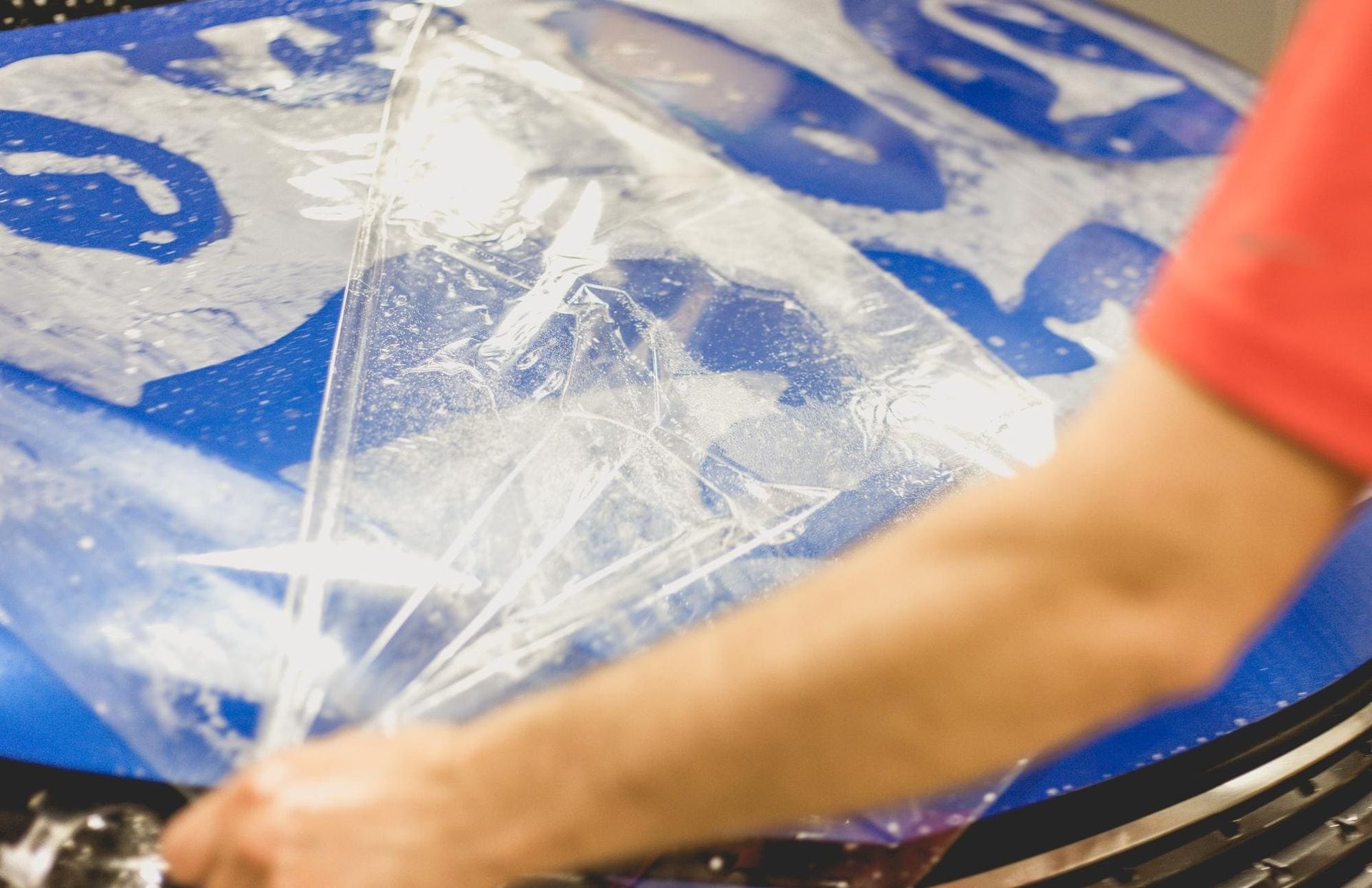
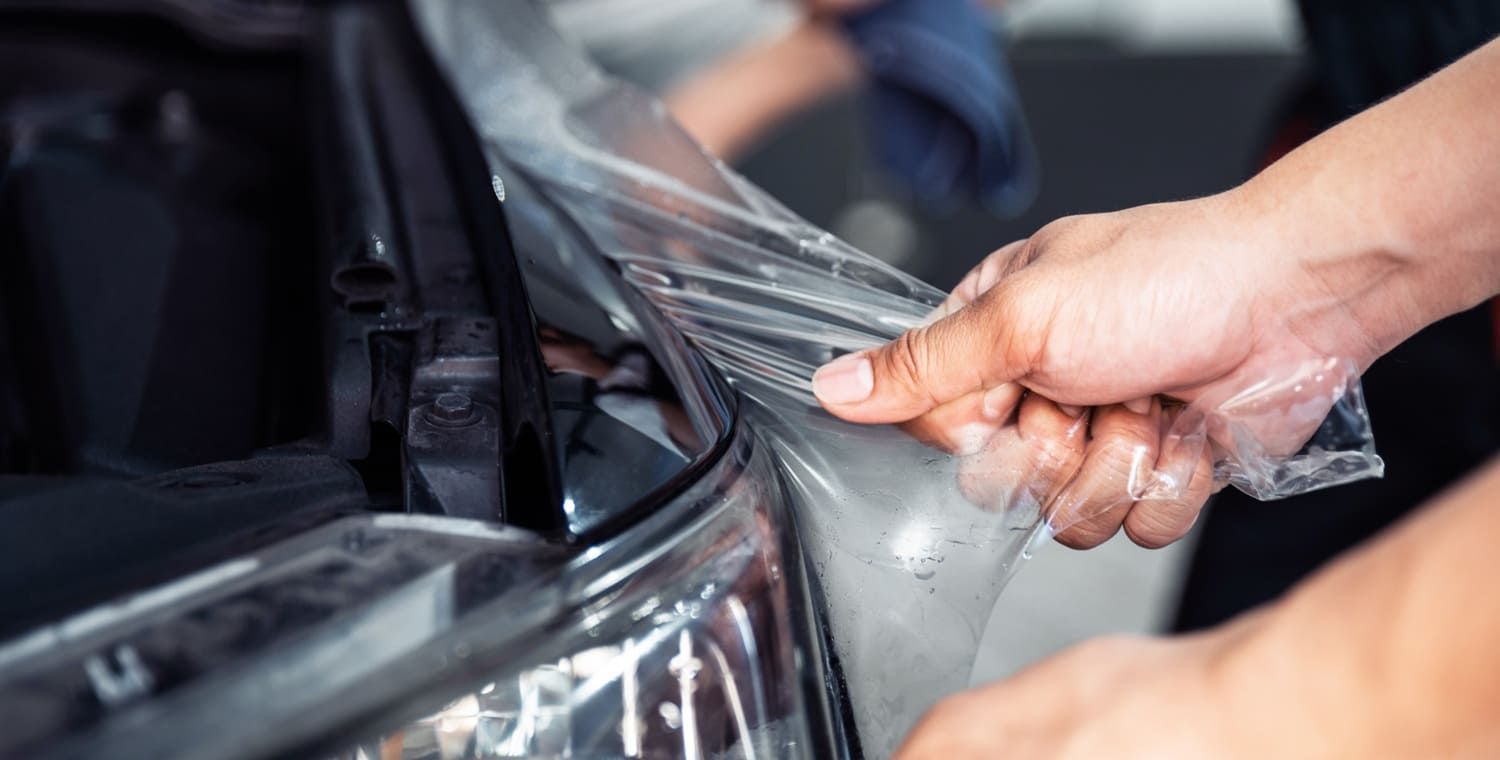
Paint protection film is a transparent urethane film applied to painted surfaces to absorb impacts and abrasion that would otherwise mark the clear coat. Think of it as a sacrificial layer designed to take the hit so your factory finish does not have to. PPF is most commonly installed on high impact zones like the front bumper, full hood, partial hood, fenders, mirrors, rocker panels, door cups, and rear bumper tops where loading and unloading can scratch paint.
Modern PPF systems are typically multi layer constructions. While formulations vary by manufacturer, most premium films include a urethane base layer for impact resistance, an optically clear adhesive layer designed to bond without damaging paint, and a top coat engineered for gloss, chemical resistance, and easier cleaning. Many premium options are also self healing , meaning light swirl marks in the top coat can soften and reduce with warmth from the sun, warm water, or controlled heat.
For
Roswell GA drivers, PPF can be especially valuable because North Georgia roads see a mix of highway commuting, construction debris, pollen seasons, and changing weather. PPF helps protect against rock chips and sand blasting on GA 400, brake dust and road film buildup, and the small abrasions that add up over years of driving. It is also a popular upgrade for SUVs and trucks because the larger frontal area catches more debris.
Featured snippet style takeaway: Paint protection film is a clear urethane layer that shields your paint by absorbing impact and abrasion. Modern films add a UV stable top coat for clarity and easier maintenance.
2) Does modern PPF yellow? Film technology then vs now
Yes, PPF can discolor under certain conditions, but the risk depends heavily on film generation and quality. Early generation films, especially older non top coated materials and some lower grade products, were more likely to yellow because they were less UV stable and more vulnerable to contamination that permanently stained the film. Some older products also had adhesives that were less resistant to long term oxidation.
Today, reputable self healing films have better clarity and stronger resistance to yellowing because the chemistry is designed to reduce UV driven breakdown and to resist staining. Most premium films now incorporate advanced UV inhibitors, improved top coats, and adhesives intended to stay clear longer. That said, no film is completely immune to harsh conditions. Drivers who park outside full time, drive frequently on high contamination routes, or skip maintenance can still see staining or changes in appearance over time.
If you have heard stories about yellowed clear bras from years ago, it is important to put them in context. In many cases, those vehicles had an older film, were parked outdoors constantly, were exposed to chemicals, or were not decontaminated regularly. The best way to reduce risk is to choose a premium film installed correctly and to follow a realistic care routine designed for Georgia conditions.
Comparison overview: older generation PPF vs modern self healing PPF
- Clarity: Older generation PPF: good at first but more haze over time. Modern self healing PPF: higher optical clarity and better gloss retention.
- UV resistance: Older generation PPF: limited UV inhibitors and more oxidation risk. Modern self healing PPF: stronger UV stabilizers and top coat protection.
- Durability: Older generation PPF: more prone to edge wear and surface marring. Modern self healing PPF: improved top coat resilience and self healing behavior.
- Yellowing resistance: Older generation PPF: higher risk of yellowing and staining. Modern self healing PPF: significantly reduced yellowing risk when maintained.
- Warranty coverage: Older generation PPF: shorter or limited clarity coverage. Modern self healing PPF: longer warranties and clearer language on defects and discoloration.
3) PPF discoloration causes: UV, contamination, adhesive aging
When drivers search for PPF discoloration causes , they are usually trying to understand whether the film itself is failing or whether something on the surface is creating a yellow look. In real world situations, several factors can contribute. The most common are UV exposure, environmental contamination, chemical staining, and film quality. Less commonly, an aging adhesive layer or installation related issues can create a visible color shift.
UV exposure and oxidation
Sunlight is a major variable in North Georgia because of long hot summers and the combination of UV exposure plus surface heat. UV energy can accelerate oxidation in any polymer material over time. Premium films use stabilizers to slow this process, but constant outdoor parking can still increase risk. This is one reason why a garage kept vehicle often looks better longer, whether it has PPF or not.
Environmental contamination and staining
Surface contamination is one of the most overlooked causes of a yellow appearance. Pollen, tree sap mist, industrial fallout, brake dust, road film, and airborne pollutants can embed into the top coat or sit in microscopic texture on the surface. If contamination bakes in under sun and heat, it can look like the film changed color. In reality, the film may be clear, but the surface has a stain layer.
Common Roswell and North Georgia contributors include heavy spring pollen, sap from trees near driveways, and road grime from highway commutes. If you park near landscaping sprinklers, hard water spotting can also trap minerals and make the film look dull or discolored.
Chemicals and improper cleaning products
Certain harsh chemicals can degrade a PPF top coat or stain it. Strong solvents, aggressive degreasers, and acidic cleaners used incorrectly can create permanent changes. Bug removers and tar removers can be safe when used properly, but the key is to use products compatible with urethane films and to avoid leaving chemicals to dwell too long in the sun.
Adhesive aging and film quality
Not all PPF is the same. Lower quality film can have weaker UV resistance and less advanced top coats. Over time, the urethane itself can shift in appearance, or the adhesive layer can show discoloration. Adhesive related discoloration can appear as uneven yellowing, changes near edges, or color variation that is difficult to remove with surface cleaning. This is where warranty terms and installer documentation matter.
Fast diagnostic clue: If the yellow tone is uniform across a covered panel and does not improve after safe decontamination, film aging or quality may be involved. If it improves after cleaning and decontamination, contamination was the likely cause.
Structured comparison: factors that affect long term clarity
- UV exposure: Higher risk with all day outdoor parking and summer heat. Lower risk with covered parking.
- Environmental contamination: Higher risk near trees, construction zones, highways, and industrial areas. Lower risk with regular washing and seasonal decontamination.
- Installation quality: Higher risk if edges are not wrapped or sealed properly, or if contamination is trapped during install. Lower risk with experienced installers and controlled prep.
- Maintenance routine: Higher risk with infrequent washing and aggressive chemicals. Lower risk with consistent washing, safe products, and prompt removal of bugs and sap.

4) PPF maintenance tips to prevent yellowing in Georgia
Most drivers want simple, realistic steps that reduce the chance of paint protection film yellowing without turning ownership into a part time job. The good news is that prevention is mostly about consistency and using the right methods.
Wash frequency and technique
Aim for a regular wash schedule that matches how and where you drive. If you commute daily on highways, a weekly or biweekly wash is a solid baseline. Use a pH balanced car shampoo, soft wash media, and gentle drying towels. The goal is to remove road film before it bakes in. For voice search, many drivers ask, “How do I wash PPF?” The simple answer is: wash it like paint, but avoid harsh chemicals and abrasive tools.
Prompt removal of bugs, sap, and tar
Bug splatter and tree sap are common in North Georgia. If left for weeks, they can stain the film and create a yellow or brown tint in spots. Remove them promptly using a film safe product and soft microfiber towels. If the surface is hot, cool it first with water and wash in the shade when possible.
Periodic decontamination
Even with good washing, tiny contaminants can bond to PPF. A periodic decontamination process helps keep the surface clear and glossy. Depending on the film and manufacturer guidance, a clay alternative or a film safe decontamination product may be used. The purpose is not aggressive correction. It is removing bonded contaminants that can make the film look dull or discolored.
Consider adding a ceramic coating on top of PPF
Many vehicle owners ask whether a ceramic coating can be applied over PPF. In most cases, yes, a compatible coating can add hydrophobic behavior and make washing easier. It does not make PPF bulletproof, but it can reduce contamination bonding and help maintain clarity. The important point is to use a coating intended for film, installed correctly, and maintained. If you are in Roswell, GA, a shop like East Coast Tint Enterprise can recommend combinations that work well together.
Parking habits that reduce UV load
Small choices help. Covered parking, a garage, or even choosing shade during peak sun hours can reduce UV exposure. If you park outside at work, consider rotating which direction the vehicle faces so the same panel is not always in direct sunlight.
Featured snippet style checklist:
- Wash regularly with pH balanced shampoo
- Remove bugs, sap, and tar quickly
- Use film safe cleaners and avoid strong solvents
- Decontaminate seasonally to prevent bonded staining
- Reduce all day UV exposure when possible
5) Is it yellowing or contamination? How to diagnose it
Before you assume the film has failed, it is worth diagnosing what you are seeing. Many cases that look like “yellow PPF” are actually surface contamination, water spotting, or embedded road film. A simple step by step inspection can help determine the likely cause.
Step 1: Compare covered vs uncovered areas
Look at the panel edge where film ends, such as a hood edge or fender edge. If the film covered area looks darker or warmer in color than exposed paint, that can suggest discoloration. But also note that the exposed paint may have its own oxidation, especially on older vehicles. Compare multiple panels before reaching conclusions.
Step 2: Wash and assess in neutral lighting
Perform a proper wash and inspect the film in indirect light. Direct sunlight can exaggerate yellow tones. If the “yellow” largely disappears after a thorough wash, contamination was likely the driver.
Step 3: Spot test a safe decontamination step
On a small area, use a film safe product to remove bonded grime. If clarity improves, the film itself is probably fine. If there is no change and the tone appears within the film layer, it may be true discoloration or adhesive aging.
Step 4: Look for patterns that suggest adhesive or edge issues
Adhesive or install related concerns often show as uneven areas, changes around edges, or discoloration that appears under the film rather than on it. If you see edge lift, trapped debris, or moisture marks, it is time to have the film assessed by a professional installer.
Local tip: In Roswell GA, pollen and road film can be heavy in spring and summer. If the film looks slightly warm toned after pollen season, it is often contamination buildup, not true yellowing.
6) Warranty tips: what clarity coverage usually includes
Warranty language varies by film brand and product line, but many premium PPF warranties cover defects such as cracking, bubbling, delamination, and sometimes yellowing or discoloration that occurs under normal use. The key words are “normal use” and “proper maintenance.” If the film is stained by chemicals, neglected for long periods, or damaged by improper cleaning, coverage may be limited.
What to ask before you install
- Is discoloration or yellowing explicitly covered? Ask for the clarity clause in writing.
- What is the warranty term for this specific film? Not all films have the same coverage length.
- Is the warranty transferable? Transferability can support resale value.
- What maintenance is required? Some warranties require specific care guidance.
- Who handles claims? Understand whether the shop, brand, or both manage the process.
Documentation that protects you
Keep your invoice, product name, and installation date. Photos of the vehicle shortly after installation can also help if you ever need to document changes. A reputable local shop will also explain care guidance clearly and set expectations about how the film should look over time.
Roswell GA note: If you are searching for
Roswell GA paint protection film and want maximum clarity, prioritize a premium film and a shop with repeatable prep and installation standards.
East Coast Tint Enterprise can help drivers choose film options that match real driving habits in North Georgia, whether that means commuting, weekend mountain trips, or daily family driving.
FAQ: does PPF turn yellow and what should drivers do?
How long does paint protection film last?
Most premium films are designed to last for years, often supported by multi year warranties. Actual lifespan depends on film quality, sun exposure, and maintenance.
Does PPF turn yellow on white cars more than dark cars?
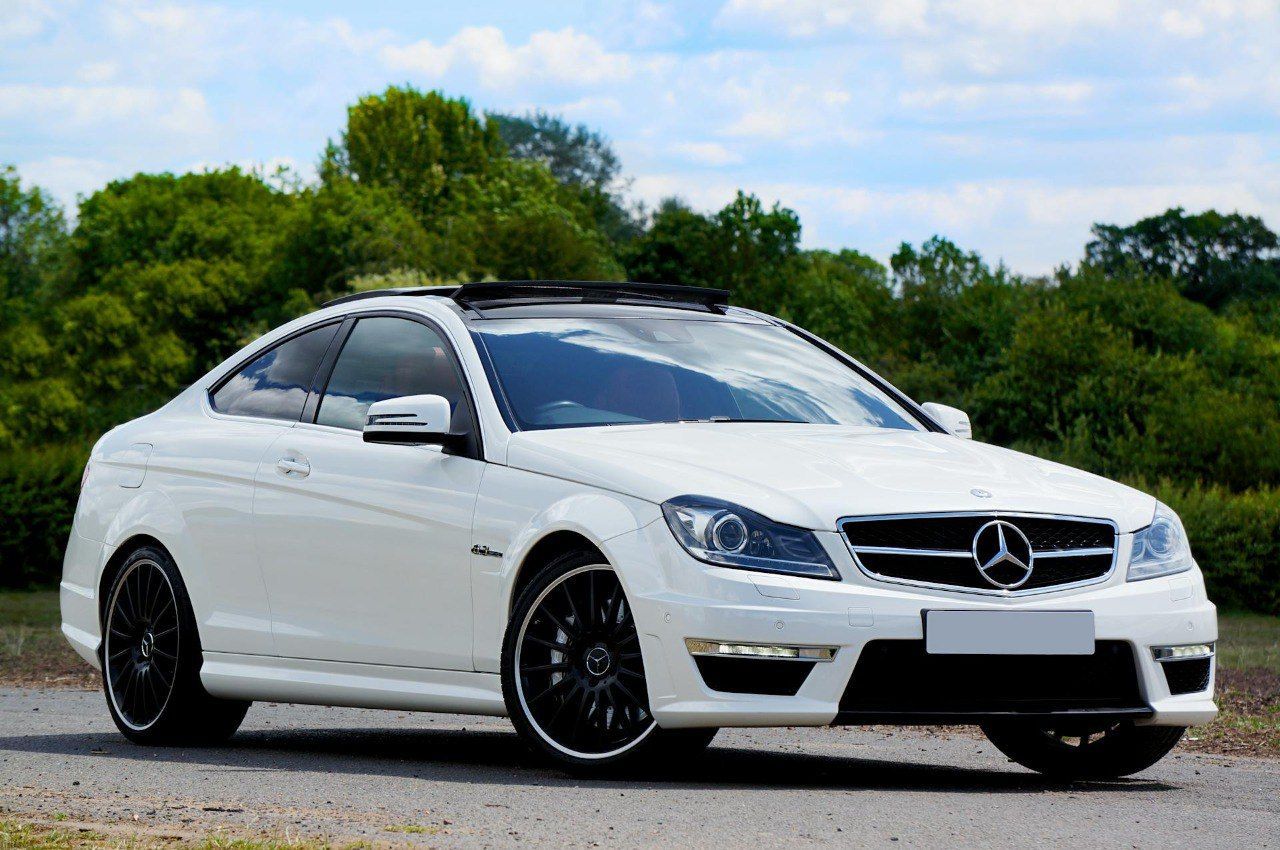
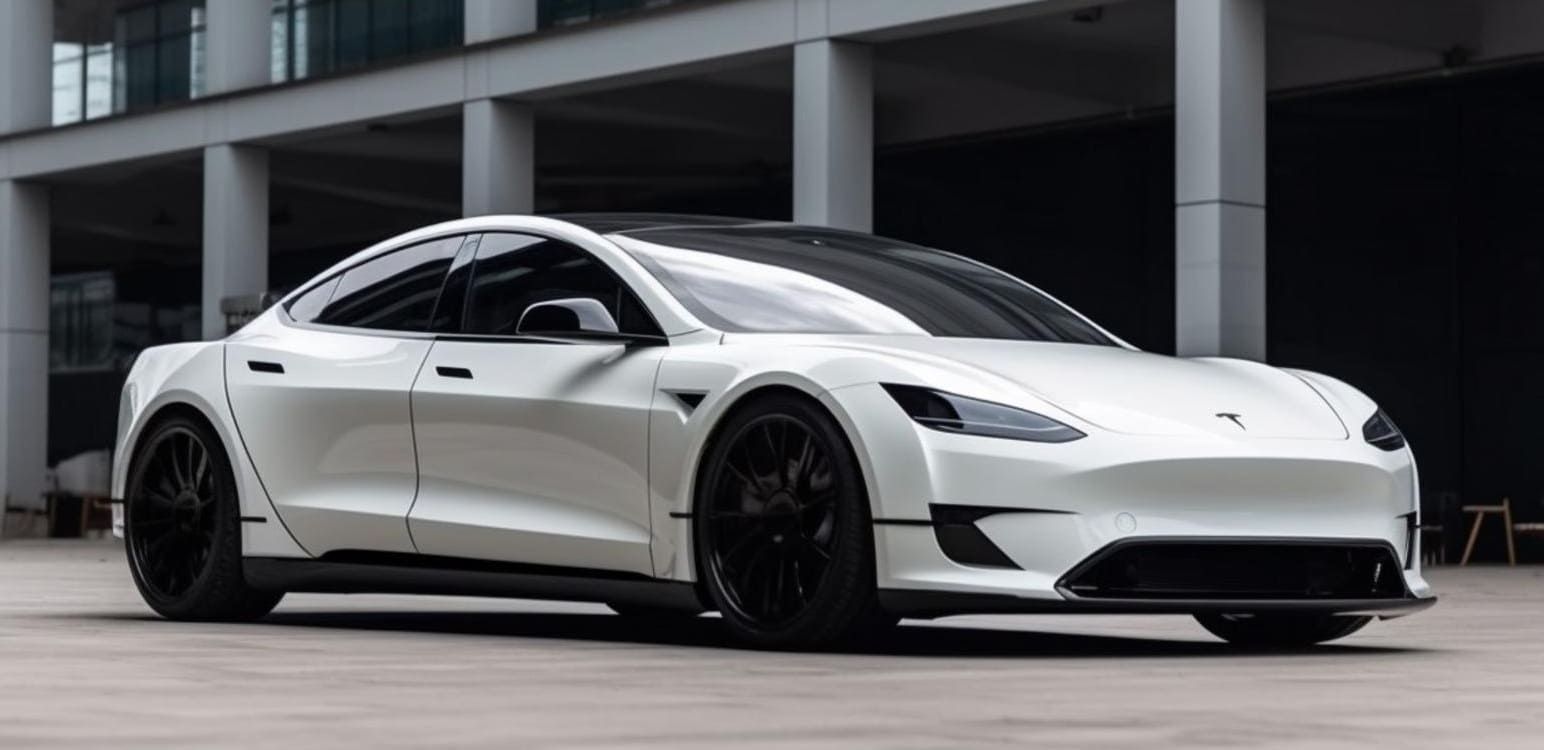
Yellowing is more noticeable on white and light paint, even when the change is small. The underlying cause is not the paint color, but visibility of color shift.
What is the most common cause of PPF discoloration?
Surface contamination that bakes into the film is a leading cause of a yellow or brown look, especially when bugs, sap, and road film are not removed quickly.
Can I remove yellow staining from PPF?
Sometimes. If the discoloration is surface contamination, careful cleaning and decontamination can improve clarity. If the film itself has aged or the adhesive has discolored, replacement may be the only fix.
Is yellowing covered under warranty?
It depends on the film brand and terms. Many premium films include discoloration language, but exclusions may apply for chemical staining or neglect.
Can ceramic coating be applied over PPF?
In many cases, yes. A coating designed for PPF can help with hydrophobic behavior and easier cleaning, which supports long term appearance.
Will a ceramic coating prevent PPF yellowing?
A coating can reduce contamination bonding and make cleaning easier, but it cannot completely eliminate UV exposure or aging. It helps, but maintenance still matters.
How should I wash my car with PPF?
Use a pH balanced shampoo, gentle wash media, and microfiber drying towels. Avoid harsh solvents and abrasive brushes.
Can I use an automatic car wash with PPF?
Touchless washes are generally safer than brush washes. Brush washes can leave swirls and can catch edges over time. If you must use a wash, choose the gentlest option.
Does PPF need special soap?
Not usually. A quality pH balanced car shampoo is a good choice. Avoid strong degreasers unless they are specifically labeled safe for PPF.
How do I remove bug splatter from PPF?
Remove bugs promptly using a film safe product and soft microfiber towels. Let the product do the work, avoid aggressive scrubbing.
How do I tell if yellowing is on the surface or inside the film?
If careful washing and a safe decontamination spot test improves it, it was likely surface contamination. If there is no change and the tone looks uniform within the film layer, it may be true film discoloration.
Does installation quality affect yellowing risk?
Yes. Proper prep, clean installation conditions, and correct edge finishing reduce the chance of trapped contamination and premature aging issues.
What areas should I protect with PPF first?
High impact zones typically include the front bumper, hood, fenders, mirrors, and rocker panels. A local installer can tailor coverage to your driving routes.
How do I choose high quality film that resists discoloration?
Choose a premium self healing film with a clear warranty that references clarity or discoloration, and choose a reputable installer with documented processes and aftercare guidance.
Conclusion: Keep PPF clear for the long haul in North Georgia
So, does PPF turn yellow ? It can, but modern film technology has made true yellowing far less common when premium materials are used and the film is installed and maintained properly. The biggest drivers of a yellow appearance are often UV load, contamination that bakes into the surface, chemical staining, and lower quality film or aging adhesives. The practical path is simple: choose a premium self healing film, install it professionally, keep up with a reasonable care routine, and address contamination early.
If you are researching
Roswell GA paint protection film and want long term clarity,
East Coast Tint Enterprise can help you choose the right coverage and film based on your vehicle and how you drive in North Georgia. Contact us today for a
free estimate and professional guidance on PPF designed to protect your paint and maintain a clean, clear finish for years.