Does Window Tint Affect Sensors and Cameras in 2026 Cars?
Introduction: Window Tinting and Sensor Technology in 2026 Cars
Modern vehicles rolling onto Roswell, GA roads in 2026 are more sophisticated than ever, packed with cameras, radar, lidar, and in-cabin monitoring systems forming the backbone of advanced driver assistance features and safety tech. As cars rely on these sensors for functions like automatic emergency braking, adaptive cruise, parking assist, and driver alerts, more owners are asking: Can
window tinting affect these crucial systems? With the rise of
ceramic and nano ceramic tints, and mounting pressure to reduce glare, improve comfort, and protect interiors, the demand for high-quality, technology-compatible window films is soaring. This in-depth guide breaks down how window tint interacts with vehicle sensors, which film types are safest, areas requiring extra care, installer and manufacturer best practices, and what Roswell drivers should look for to protect both their comfort and their car’s most advanced features in 2026.
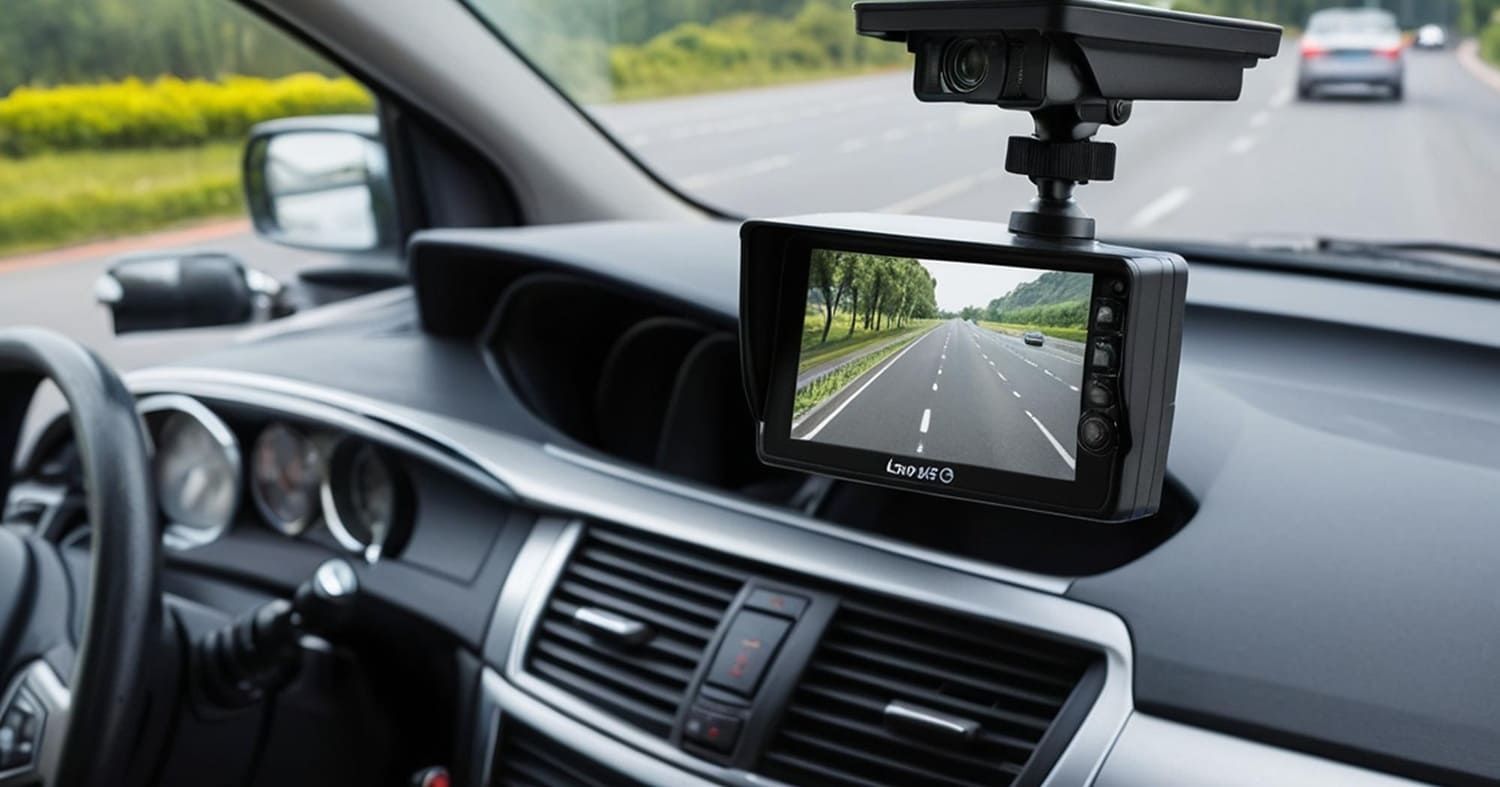
Table of Contents
- Understanding 2026 Vehicle Sensors and Cameras: What’s in Your Car?
- How Window Tint and Light Transmission Affect Sensors
- Tint Types: Dyed, Carbon, Ceramic, and Nano Ceramic vs Sensors
- Key Areas Requiring Special Consideration: Windshields, Camera Zones, Sensor Housings
- Manufacturer Guidelines and Industry Best Practices
- How Professional Installation Ensures Sensor Safe Tint Results
- Choosing Sensor Compatible Window Tint in Roswell, GA
- FAQ: Window Tint and Car Sensors in 2026
- Conclusion & Next Steps
1. Understanding 2026 Vehicle Sensors and Cameras: What’s in Your Car?
New cars in 2026 commonly feature a suite of advanced sensors and cameras, including:
- Forward-facing cameras : Used for lane keeping, emergency braking, adaptive cruise, and traffic sign recognition, usually mounted near the rearview mirror
- Side and surround cameras : Assist with blind spot detection, parking, and 360-degree views
- Radar and lidar sensors : Often behind the grille or windshield, providing distance measurement for cruise, collision avoidance, or self-parking
- Rain and light sensors : Built into the windshield to control wipers or headlights automatically
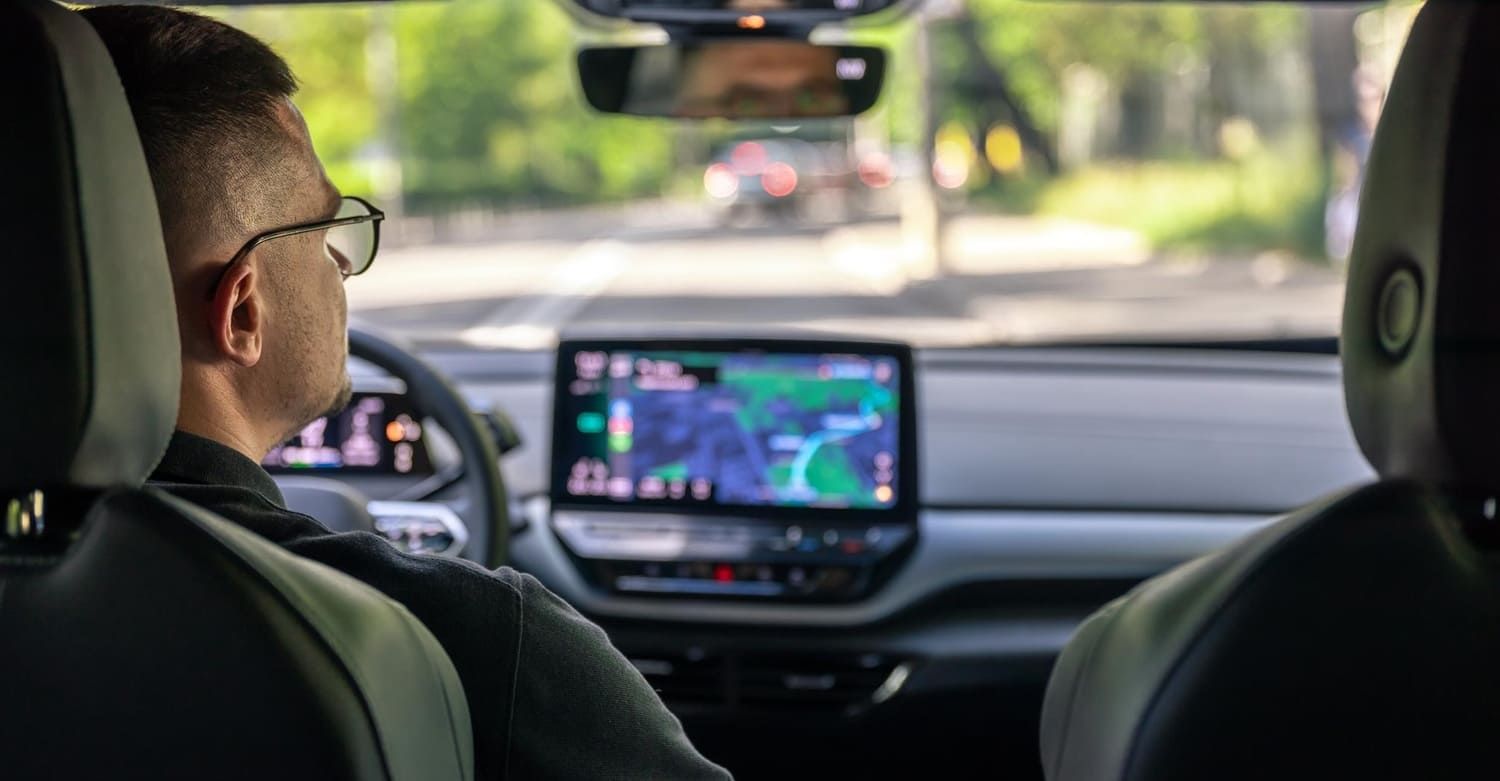
- In-cabin cameras and monitoring : Increasingly standard for driver fatigue detection, mirror replacements, or occupancy alerts
Proper operation of these systems depends on unimpeded access to the light, signals, or images they require. Understanding their location and function is the first step in preventing tint-related interference.
2. How Window Tint and Light Transmission Affect Sensors
Window tint films are engineered to reduce glare, heat, and harmful UV rays by filtering out select wavelengths of light. Advanced driver assistance systems (ADAS) rely on clear, predictable transmission through glass for optimal performance. Excessively dark or metallic tints can reduce the quality of camera images or disrupt sensors, while high-quality ceramic tints maintain very high visible light transmission (VLT), preserving camera clarity and sensor function.
| Tint Type Visible | Light Transmission (VLT) % | Sensor/Cam Impact |
|---|---|---|
| Dyed | 5–50 | Minimal, if legal VLT |
| Carbon | 10–50 | Minimal, if signal-safe |
| Ceramic | 30–80 | Sensor safe at legal VLT |
| Metallic | 15–60 | Risks RF interference |
Georgia law and automaker guidelines generally require high VLT for windshields, ensuring minimal impact on ADAS cameras and sensors. Discuss your vehicle’s sensor requirements with your installer before tinting.
3. Tint Types: Dyed, Carbon, Ceramic, and Nano Ceramic vs Sensors
- Dyed tint: generally poses no risk to cameras or sensors if legal VLT is maintained, but may fade and lose effectiveness over time.
- Carbon tint: is signal-safe, blocks more heat but also stays ADAS-friendly if properly installed.
- Ceramic tint: and especially
- nano ceramic tint: films are engineered for maximum clarity, heat rejection, and signal transparency with nearly no risk of RF, camera, or sensor disruption—key for new vehicles loaded with tech.
- Metallic tints: should be avoided in areas with cameras, sensors, or antennas as they can reflect and disrupt signals.
| Film Type | Sensor Interference | Recommended For ADAS |
|---|---|---|
| Dyed | None | Yes, within legal VLT |
| Carbon | None | Yes, signal-safe |
| Ceramic | None | Yes, preferred for sensor zones |
| Metallic | Possible RF issues | No, avoid over sensors |
East Coast Tint Enterprise in Roswell, GA recommends only premium ceramic/nano ceramic films for tech-heavy vehicles to ensure ongoing safety and performance.
4. Key Areas Requiring Special Consideration: Windshields, Camera Zones, Sensor Housings
The areas most critical for sensor-safe tinting are:
- Windshields: Avoid overly dark or metallic films. Most modern cars require only manufacturer-approved films or clear ceramic films above the AS-1 line.
- Camera zones: Always leave a clear strip if recommended by automakers, especially near rearview mirrors for forward-facing cameras.
- Sensor housing locations: Know where rain, light, or occupancy sensors are installed and use only films tested for compatibility or leave these zones untinted when necessary.
Review your car’s owner’s manual or consult East Coast Tint Enterprise for model-specific guidelines to avoid sensor interference and ensure compliance in Roswell.
5. Manufacturer Guidelines and Industry Best Practices
Most vehicle manufacturers publish clear guidelines for tinting vehicles with advanced sensors and cameras, including:
- Maintaining windshield and sensor area VLT above 70% (or per state law/guidelines)
- Avoiding metallic films if the car has front radar or windshield cameras
- Never tinting directly over rain, light, or interior infrared sensors
- Requesting clear certification of compatibility for any film used in critical sensor areas
Professional tinters should always follow these rules, keeping up with new model-year recommendations as vehicle technology evolves. East Coast Tint Enterprise adheres to all automaker, Georgia, and industry best practices to ensure sensor-safe results.
6. How Professional Installation Ensures Sensor Safe Tint Results
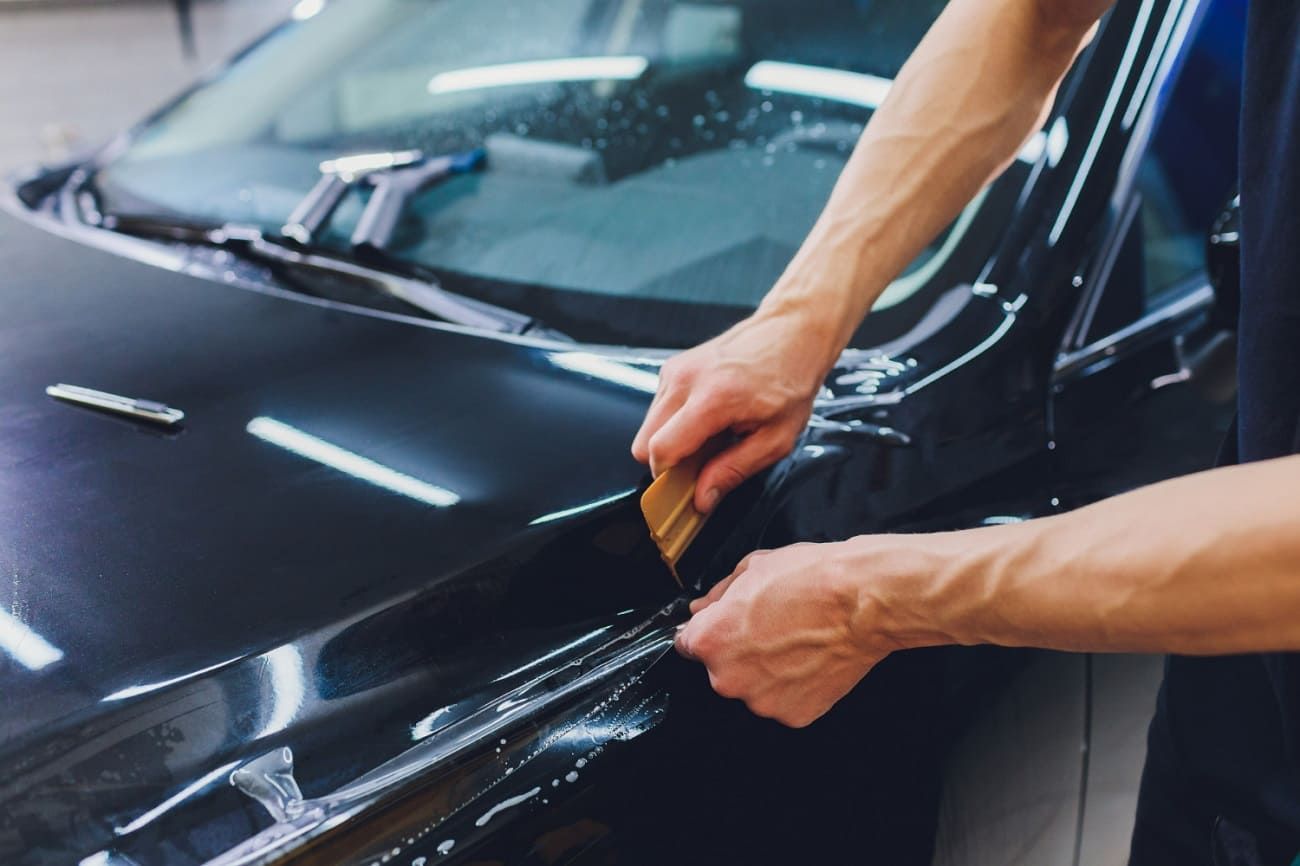
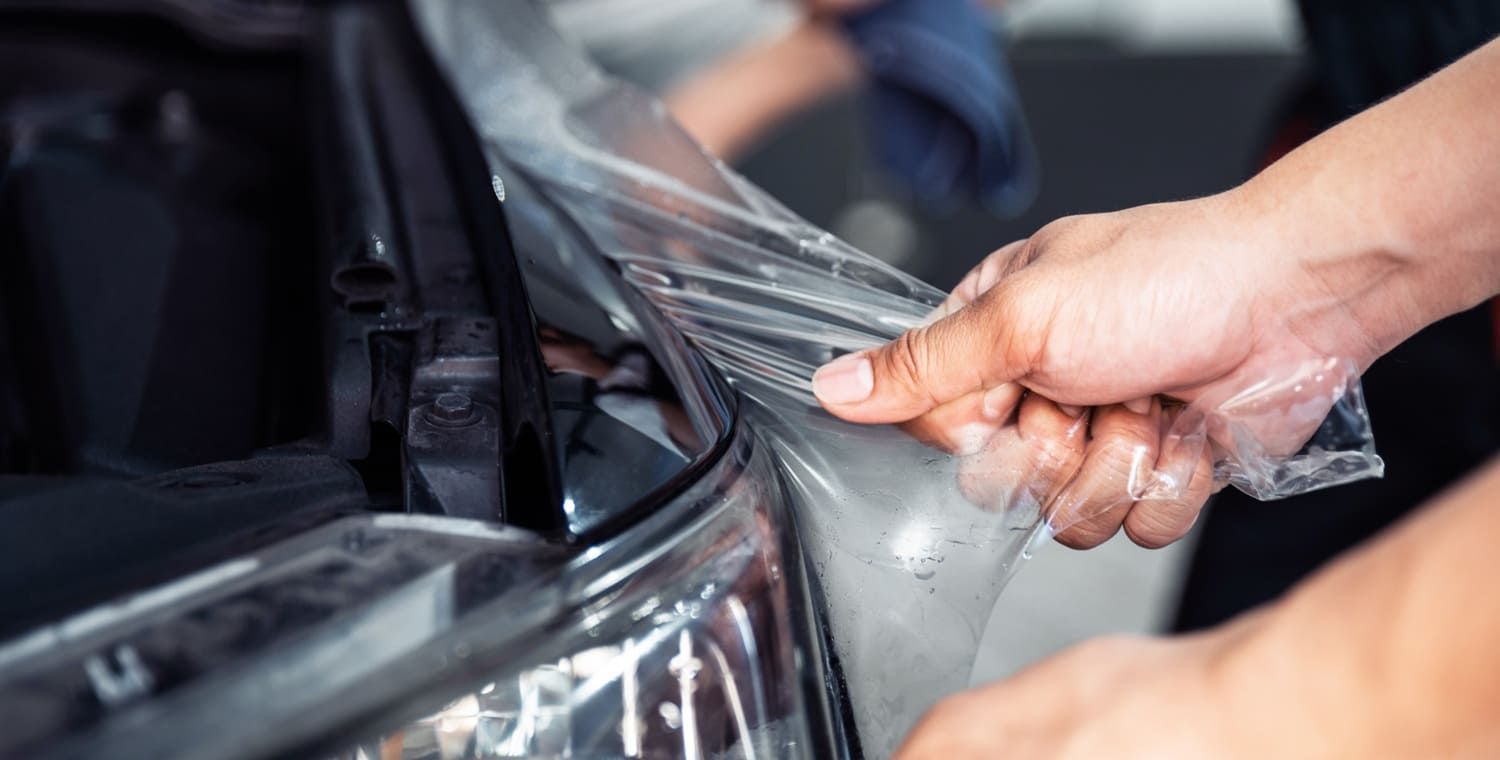
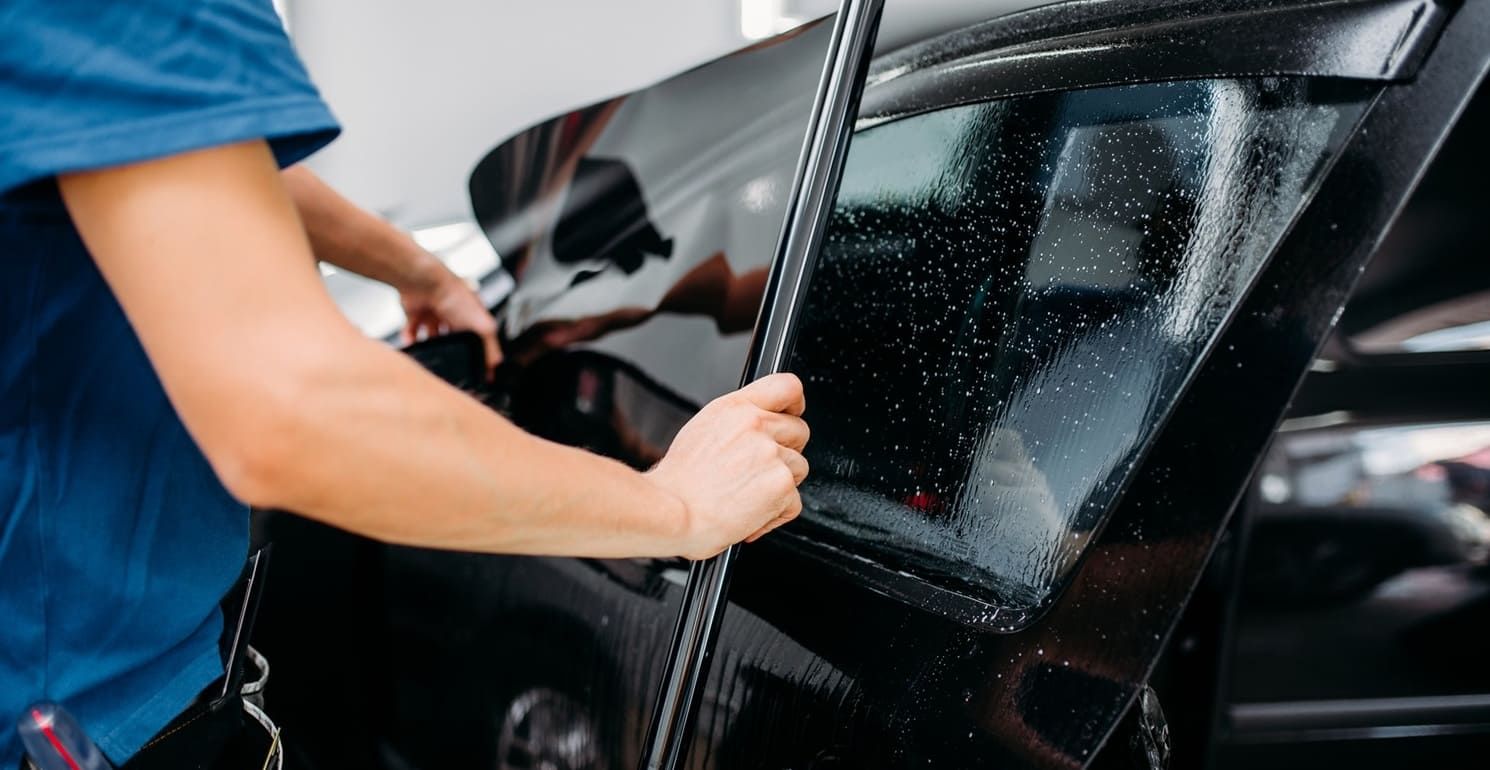
A trained, experienced installer is crucial for modern tint jobs. Professionals closely inspect sensor and camera locations, use pre-cut film customized for each vehicle, and maintain legal VLT where technology is installed. They will:
- Protect camera and sensor zones with high transparency, sensor-safe films
- Advise on vehicle-specific do’s and don’ts for ADAS-equipped cars
- Test system functionality after install and support recalibration where necessary
- Provide documentation for compliance, insurance, or warranty purposes
East Coast Tint Enterprise specializes in safe, manufacturer-aligned ADAS safe window tint for customers in Roswell, GA.
7. Choosing Sensor Compatible Window Tint in Roswell, GA
To ensure your new tint will not interfere with your car’s technology, always:
- Request premium ceramic or nano ceramic films with independent sensor testing
- Ask your installer for vehicle-specific experience and certifications
- Get a written guarantee of ADAS compatibility for your car’s year and model
- Make sure proper calibration of sensors is checked and supported after install
East Coast Tint Enterprise only uses sensor-safe, industry-tested films for all ADAS-fitted cars, providing peace of mind and certified solutions in 2026.
FAQ: Window Tint and Car Sensors in 2026
Does window tint affect lane assist cameras?
With legal, quality ceramic tint and proper installation, no—lane assist remains fully functional.
Can windshield tint disrupt rain or light sensors?
Not with recommended films; always use clear, high-VLT films in sensor areas.
Is recalibration needed after window tint installation?
Sometimes—especially on vehicles requiring camera sensor recal after glass/tint service, consult your installer.
Does tint affect ADAS in 2026 vehicles?
Not if premium ceramic/nano films are used and installer stays away from sensor/camera zones.
What about metallic or mirrored tint films?
These can interfere with RF signals and should be avoided for tech-heavy cars.
Does legal tint in Georgia affect safety features?
Georgia laws set VLT levels to protect sensor/camera performance—installers check for compliance.
Is ceramic tint different from standard or metallic films?
Yes—ceramic/nano films offer maximum clarity, heat rejection, and signal/frequency safety for sensors and cameras.
Can I tint over my car’s forward-facing camera?
Never cover a camera directly; installers will leave the clear zone requested by the OEM.
Do carbon tints impact ADAS sensors?
No, as long as they are non-metallic and meet light transmission guidelines.
Will my window tint installer provide a warranty for ADAS compatibility?
Leading shops like East Coast Tint Enterprise provide documentation and support for sensor safety in all 2026 installs.
Conclusion & Next Steps
In 2026, window tint can safely protect your comfort, privacy, and vehicle interior—without impacting your car’s sensors or cameras—when the correct film and expert installation techniques are used. Technology-ready ceramic and nano ceramic tints keep ADAS, cameras, radar, and monitors working flawlessly. To ensure safety, performance, and full compliance,
contact East Coast Tint Enterprise in
Roswell, GA for expert installation, sensor-friendly tint solutions, and a
free estimate on professional window tinting designed for the newest vehicles and the highest expectations. Drive comfortable, drive protected, and drive with confidence.