Is Ceramic Window Tint Worth the Higher Cost?
Ceramic window tint has quickly become one of the most talked about upgrades in the automotive world, especially for drivers who spend long hours on the road in hot, sunny climates like North Georgia. You have probably seen the buzz online about “heat rejection window tint” and heard friends say ceramic tint feels cooler, looks clearer, and lasts longer than standard options. Then you get a quote and pause, because ceramic tint cost vs regular tint can feel like a big jump at checkout. That hesitation is normal. Vehicle owners in Roswell, GA and surrounding areas want a tint that delivers real comfort, protects interiors, and stays looking great for years without creating legal or visibility issues. The good news is that the performance benefits of modern ceramic films are measurable, and for many drivers the long term value adds up quickly through better heat control, stronger UV protection, and improved durability. In this guide, East Coast Tint Enterprise breaks down exactly what you get for the higher price so you can decide whether ceramic window tint is worth it for your vehicle and your driving habits.
Table of Contents
- What Is Ceramic Window Tint and How Is It Different?
- 2. Heat Rejection and UV Protection: Why Ceramic Performs
- 3. Real World Comfort for Georgia Driving Conditions
- 4. Ceramic Tint Cost vs Regular Tint: Long Term Value
- 5. Durability, Clarity, and Fade Resistance Benefits
- 6. Legal Considerations in Georgia and Staying Compliant
- 7. Why Professional Installation Matters for Ceramic Tint
- 8. Dyed vs Carbon vs Ceramic: Side by Side Comparison
- 9. FAQ: Ceramic Tint Questions Drivers Ask
- 10. Conclusion and Next Steps in Roswell, GA
1. What Is Ceramic Window Tint and How Is It Different?
When people ask whether ceramic window tint is worth it, they are usually comparing it to the two most common standard options: dyed film and carbon film. All three can darken glass, cut glare, and increase privacy. The major difference is how each film is engineered to manage heat, sunlight, and long term wear.
Dyed window tint is often the entry level choice. It uses dye to absorb visible light and reduce brightness. Dyed tint can look good at first and offers a lower upfront cost, which is why it is common in budget quotes. Its main limitation is performance. Dyed films tend to absorb heat rather than reflect or reject it efficiently, and they can fade or discolor over time, especially with frequent sun exposure.
Carbon window tint is a step up from dyed. Carbon films use carbon particles to improve heat management and reduce fading. Many carbon films offer stronger performance than dyed tint, and they typically maintain color better. For vehicle owners who want improvement without paying for the highest tier film, carbon can be a solid middle ground.
Ceramic window tint uses non metallic, non conductive ceramic particles. This is important for two reasons. First, ceramic technology can reject more infrared heat and block more UV while maintaining excellent optical clarity. Second, because it is non metallic, it is less likely to interfere with electronics. For modern vehicles around Roswell, GA that rely on GPS, Bluetooth, cellular signal, and advanced driver assistance systems, that matters.
Another key point is that “ceramic” is not a single standard. Different manufacturers and product lines vary in infrared rejection, UV protection, and overall clarity. That is why working with a professional installer like East Coast Tint Enterprise helps. A proper consultation compares films by measurable specs rather than marketing terms.
2. Heat Rejection and UV Protection: Why Ceramic Performs
Heat is what most Georgia drivers notice first after tinting. But not all heat is the same. Sunlight carries visible light, ultraviolet (UV) radiation, and infrared (IR) energy. Visible light affects brightness and glare. UV contributes to skin damage and interior fading. IR is a major driver of the heat you feel on your skin and in the cabin.
Standard films often focus on reducing visible light transmission, which can make the interior look darker but does not always deliver the best heat control. Ceramic films are engineered to target infrared energy more effectively, which is why they are so popular in hot climates and long commutes.
Infrared rejection is the feature that most directly impacts cabin comfort. A high quality ceramic film can reduce the “radiant heat” feeling when the sun is beating through side glass, even when the shade is not extremely dark. That is one reason ceramic window tint can remain compliant and still perform better. You can choose a legal tint level and still get strong heat rejection.
UV protection matters for both comfort and long term value. UV exposure can crack leather, fade upholstery, and damage dashboards. It also exposes drivers and passengers to UV during everyday errands. Many premium films are designed to block a very high percentage of UVA and UVB. This is a performance and health benefit that continues every day you drive.
For SEO purposes, many people search phrases like “ceramic tint benefits” and “heat rejection window tint” because they want proof. A professional tint shop should be able to discuss film specifications and recommended shade choices based on how you drive around Roswell, Alpharetta, Milton, Sandy Springs, and the surrounding areas.
3. Real World Comfort for Georgia Driving Conditions
In Georgia, tinting is not just about looks. Between humid summers, strong sun, and frequent stop and go traffic, cabin heat builds quickly. A vehicle parked for 30 minutes in direct sunlight can feel uncomfortable even before you start driving. Once you are on GA 400 or Holcomb Bridge Road during peak traffic, the air conditioner works constantly to keep up.
Ceramic tint can make the drive feel noticeably more comfortable in a few practical ways. First, it can reduce the intensity of heat coming through the side windows, especially on the driver and passenger side. That matters during afternoon commutes when the sun is lower and shines directly through the glass. Second, by reducing heat load overall, ceramic tint can help the AC reach a comfortable temperature faster and maintain it with less strain.
Comfort is not only about temperature. Glare can increase fatigue and reduce visibility. Many drivers around Roswell, GA deal with glare on bright days, especially with lighter colored pavement and reflective surfaces. Tint helps reduce glare while still allowing clear visibility, and ceramic films are known for excellent clarity compared with some cheaper dyed options.
Another benefit is interior protection. If you have a newer vehicle with advanced displays, leather seating, or premium trim, heat and UV exposure can take a toll. Ceramic tint is often chosen by drivers who plan to keep their car for several years and want to protect the cabin so it stays looking new.
4. Ceramic Tint Cost vs Regular Tint: Long Term Value
One of the biggest questions we hear at East Coast Tint Enterprise is straightforward:
ceramic window tint worth it, or is standard tint good enough? The answer depends on what you want the film to do over the lifespan of your ownership.
Upfront, ceramic is usually priced higher than dyed and often higher than carbon. The difference reflects the technology in the film and the performance characteristics. But long term value is about more than the initial quote.
Here are the most common drivers of long term value in Roswell GA window tint decisions:
- Heat rejection performance over time: If your goal is to reduce cabin heat, ceramic tends to outperform dyed and many carbon films, which can translate to daily comfort.
- Interior preservation: Better UV protection can reduce fading and cracking, helping your vehicle look better for longer.
- Durability: Lower quality films can discolor, bubble, or peel, leading to replacement costs and downtime.
- Clarity and appearance: Many ceramic films maintain a clean, neutral look that stays consistent.
Think about how long you plan to keep the vehicle. If you lease for two or three years and do not drive much, a mid range film might meet your needs. If you commute daily, park outside, or keep your vehicle for five to ten years, ceramic can deliver value every week you own it.
Another value factor is how tint affects driving satisfaction. If you have ever left a store in July and felt like your cabin was an oven, you already understand why heat rejection is not a small detail in Georgia. Ceramic tint can help reduce that stress and improve the overall driving experience.
5. Durability, Clarity, and Fade Resistance Benefits
Durability is where ceramic often separates itself from dyed tint. Many dyed films can shift color over time, sometimes turning purple or looking uneven. Heat and UV exposure accelerate that aging process. Carbon films improve on this, but high quality ceramic films are generally built for long term stability.
Optical clarity is another reason drivers choose ceramic. Clarity matters at night and in rain, and it matters for windshields when used with a legal clear film. Premium ceramic films are designed to reject heat without relying on extreme darkness, which can help you maintain visibility while still gaining comfort.
Fade resistance matters for your film and your interior. Ceramic films are not only more stable in appearance, they also block UV effectively, which helps protect upholstery and trim. If your vehicle has a dark interior, leather seating, or a dashboard that gets direct sun exposure, this is a meaningful advantage.
Maintenance is usually simple for any quality film. Use a gentle cleaner and a soft microfiber. Avoid abrasive pads. After installation, follow the curing guidance from your installer. Professional installation and correct curing reduce the risk of issues that can shorten film life.
6. Legal Considerations in Georgia and Staying Compliant
Legal compliance is a major part of deciding ceramic tint cost vs regular tint. Georgia has rules on visible light transmission and on which windows can be tinted at certain levels. Many drivers want strong performance but do not want a fix it ticket or a failed inspection.
The advantage of ceramic film is that it can deliver high heat rejection without requiring the darkest shade. In practical terms, that means you can select a film that meets Georgia requirements while still seeing a noticeable comfort improvement. Your best approach is to discuss your goals and your vehicle type with a local expert.
At East Coast Tint Enterprise, we help Roswell area drivers choose a shade that balances privacy, visibility, heat control, and compliance. We also consider how you drive. If you do a lot of
night driving, clarity is a priority. If you are often parked outside during the day, heat rejection becomes the priority.
Because
laws and enforcement practices can change, it is wise to confirm your target tint levels at the time of installation. A professional shop will be able to guide you based on current standards and typical real world considerations.
7. Why Professional Installation Matters for Ceramic Tint
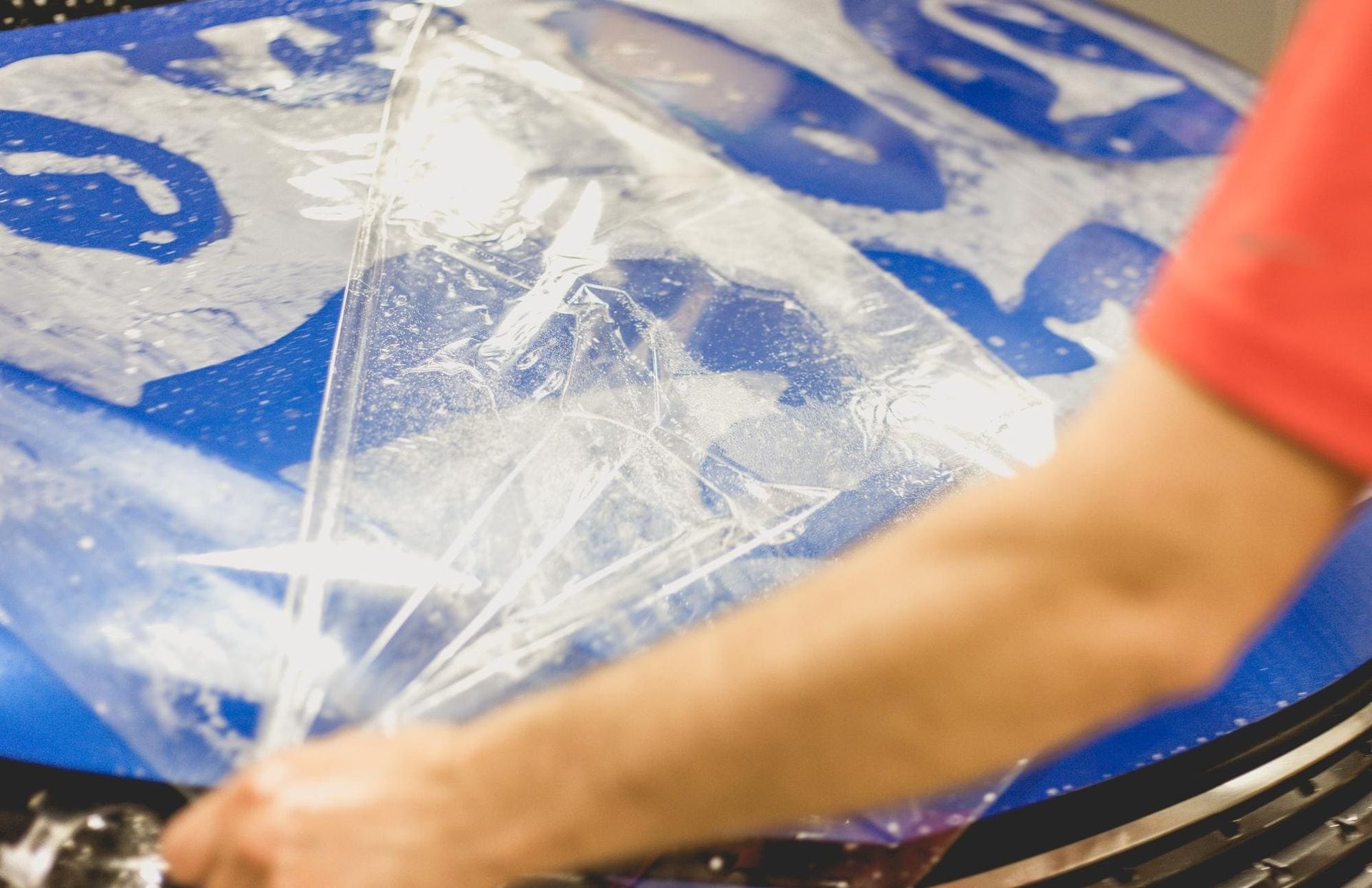
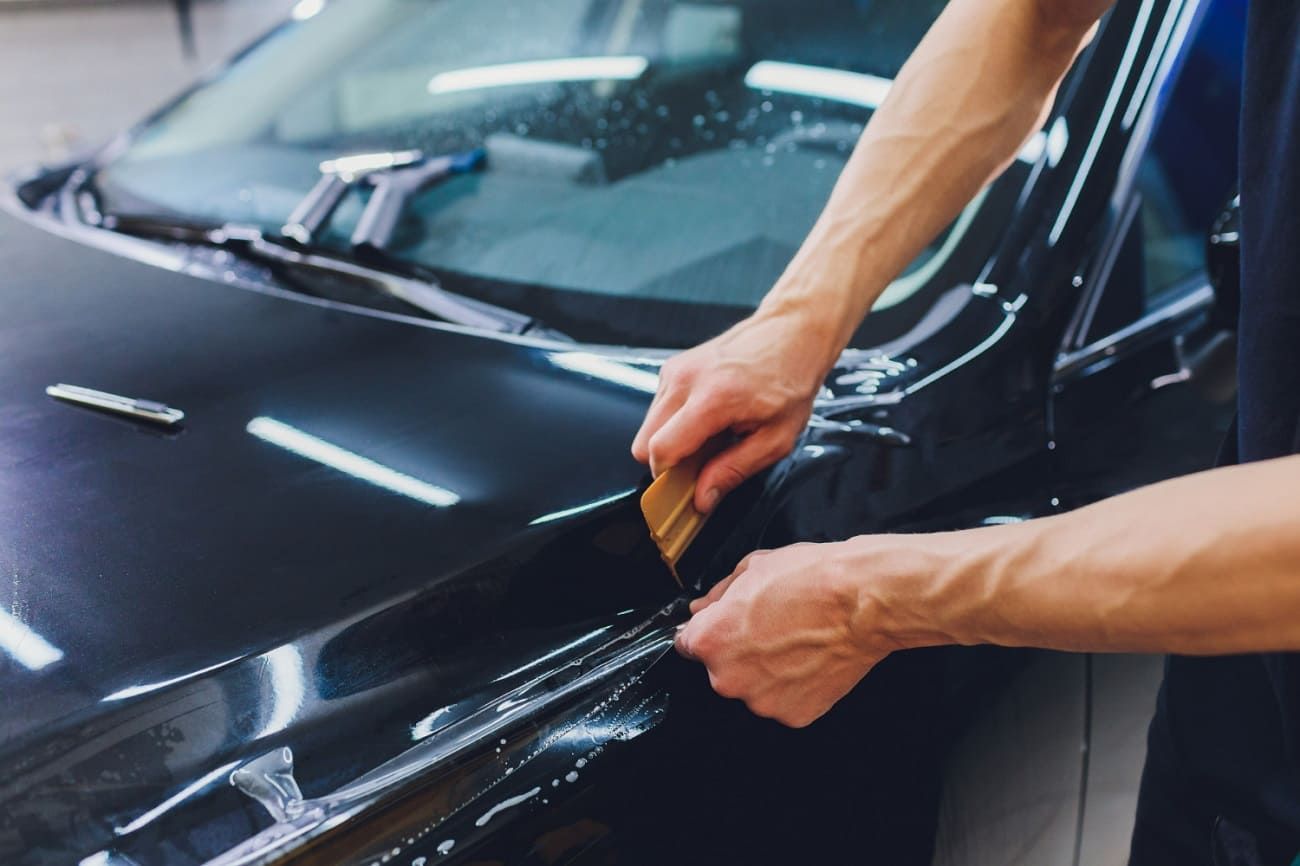
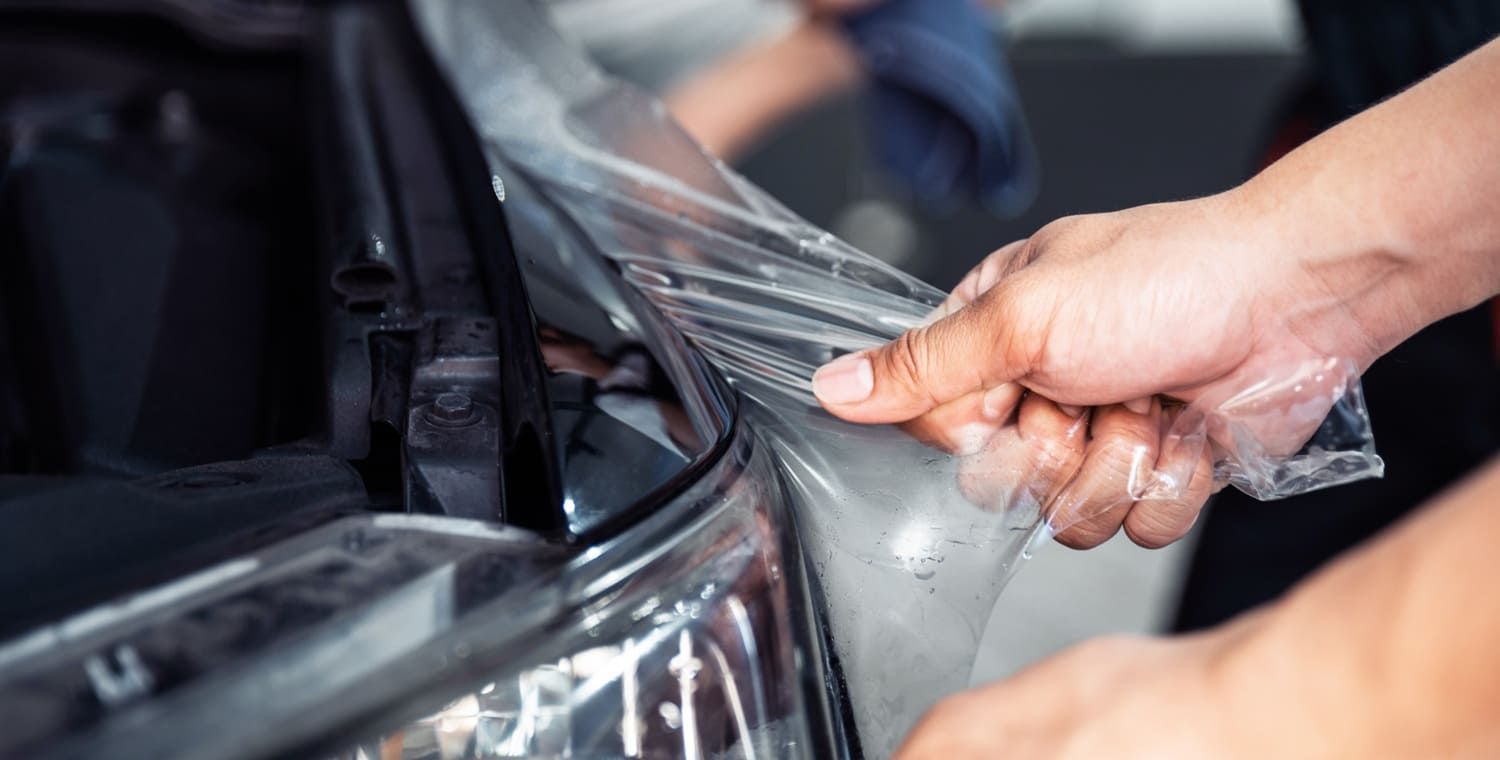
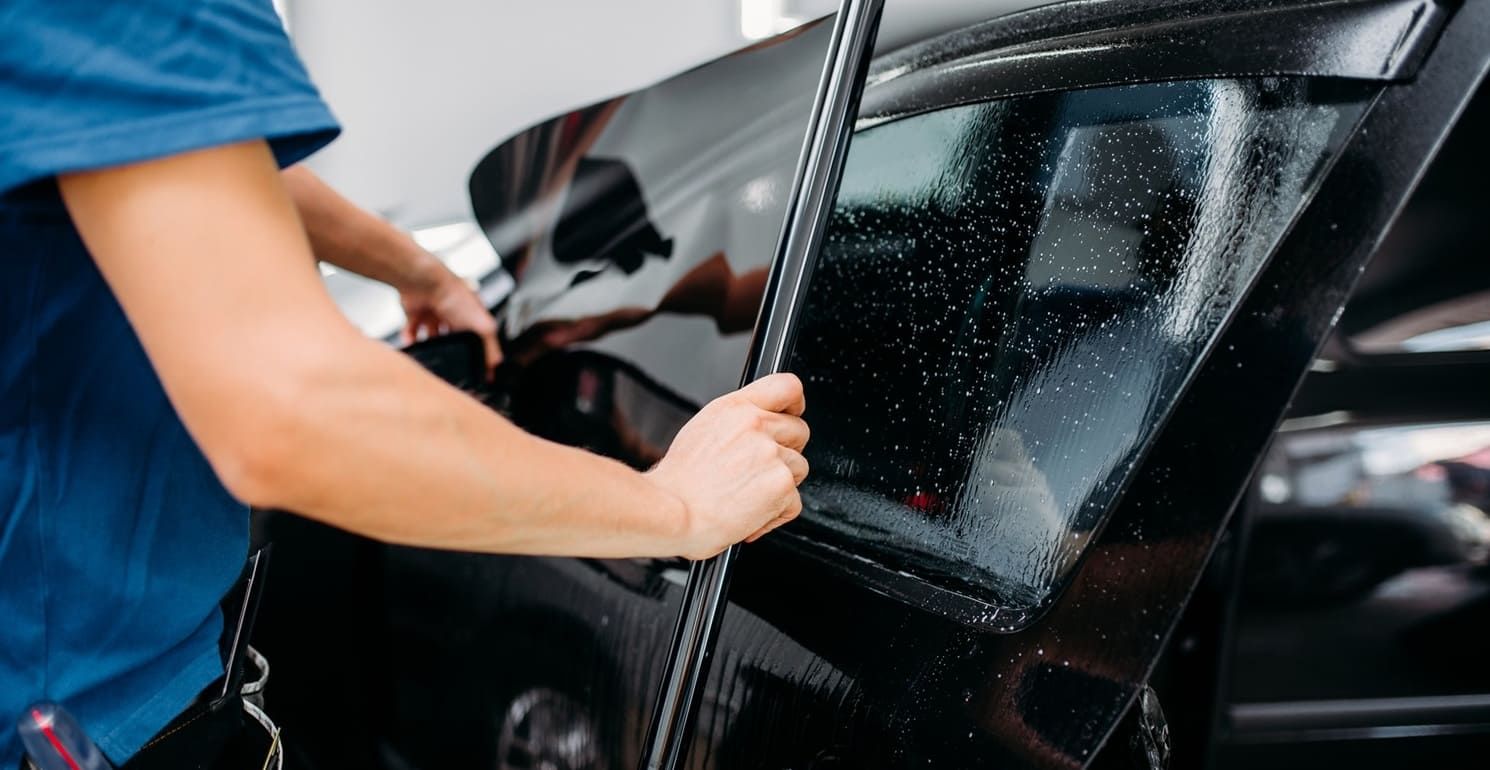
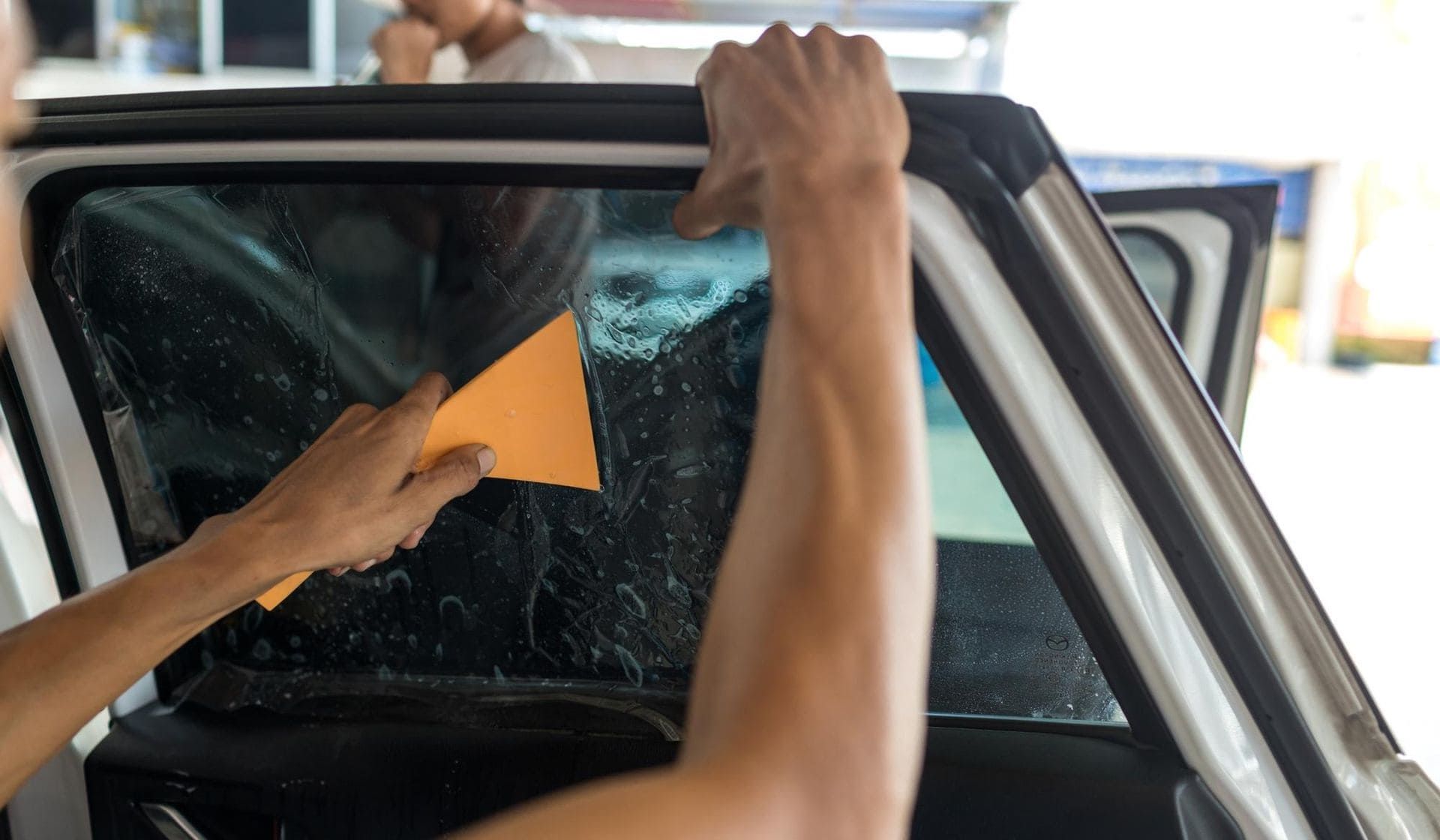
Ceramic window tint is a premium product, but the film can only perform as intended when it is installed correctly. Professional installation is critical for the appearance, longevity, and overall performance of the tint.
Here is why installation quality matters so much:
- Clean environment: Dust and debris can cause contamination that shows as bubbles or imperfections.
- Proper shrinking and shaping: Automotive glass is curved. Ceramic film must be shaped precisely to fit, especially on rear windows.
- Edge work and sealing: Accurate trimming and finishing reduce lifting and peeling over time.
- Correct curing guidance: Following recommended curing time prevents premature cleaning damage and ensures long term adhesion.
Professional installers also help you choose the right film line for your vehicle and your budget. Some ceramic films emphasize maximum infrared rejection, while others emphasize clarity and a neutral look. A local shop like East Coast Tint Enterprise can match the product to your goals, explain warranty coverage, and ensure the tint is applied to the highest standard.
8. Dyed vs Carbon vs Ceramic: Side by Side Comparison
If you are trying to decide whether ceramic window tint is worth it, a simple comparison can clarify what you are paying for. The ranges below are general and can vary by vehicle type, window count, film brand, and installer. For a precise quote, request a free estimate from East Coast Tint Enterprise in Roswell, GA.
| Film Type | Typical Cost Range | Heat Rejection | UV Protection | Glare Reduction | Clarity and Fade Resistance | Long Term Value |
|---|---|---|---|---|---|---|
| Dyed | Low | Low to Medium | Medium | Good | Can fade or discolor | Best for budget, shorter ownership |
| Carbon | Medium | Medium | High | Good | More stable than dyed | Balanced performance and price |
| Ceramic | Medium to High | High | Very High | Very Good | Excellent clarity and stability | Best for comfort and long term ownership |
When you compare the categories that matter most in Georgia, heat rejection and long term stability are usually the deciding factors. If your primary goal is a darker look and basic glare reduction, standard tint may be enough. If your goal is to reduce heat, protect your interior, and keep the film looking new for years, ceramic is often the better fit.
9. FAQ: Ceramic Tint Questions Drivers Ask
Below are common questions we hear from drivers who are researching ceramic tint benefits and comparing options in the Roswell area.
Does ceramic tint interfere with GPS, Bluetooth, or cell signal?
Quality ceramic films are non metallic, so they are designed to minimize signal interference compared with some older metallic films. Your vehicle and device setup can vary, so ask your installer about the film type being used.
How long does ceramic window tint last?
With professional installation and normal care, ceramic tint is designed for long term performance. Actual lifespan depends on film quality, exposure, and maintenance. Warranty coverage is a helpful indicator of expected longevity.
Does ceramic tint improve resale value?
It can help by protecting the interior from UV damage and keeping the cabin looking newer. It also adds comfort benefits that many buyers appreciate. Resale impact depends on the buyer and whether the tint is compliant and professionally installed.
Is ceramic tint noticeably cooler than regular tint?
Many drivers feel a noticeable difference, especially in direct sunlight, because ceramic films can reject more infrared heat. The amount of improvement depends on the film specs and the shade selected.
What is the best shade for ceramic tint in Georgia?
The “best” shade depends on your goals and legal requirements. Some drivers prioritize privacy, others prioritize night visibility. Ceramic can perform well even in lighter shades, which helps balance compliance and comfort.
Can I put ceramic tint on the windshield?
Many drivers choose a clear or very light film on the windshield for heat and UV benefits while keeping visibility high. Always confirm what is legal and recommended for your specific vehicle and driving needs.
How do I maintain ceramic window tint?
After the film cures, use a soft microfiber towel and a gentle, tint safe cleaner. Avoid abrasive tools. Ask East Coast Tint Enterprise for the recommended curing time and cleaning products.
What warranty should I expect with ceramic tint?
Warranties vary by manufacturer and product line. Many premium ceramic films include strong coverage against bubbling, peeling, and discoloration when installed by an authorized professional.
Is ceramic tint worth it for older vehicles?
Often yes, especially if you want to reduce heat and protect the interior. If the vehicle is in good condition and you plan to keep it, ceramic can add comfort without changing the car.
How do I choose the right ceramic film and installer?
Look for a shop that explains film specs, offers reputable product lines, provides clear warranty details, and has consistent installation quality. East Coast Tint Enterprise serves Roswell, GA and nearby communities with professional automotive tinting and guidance tailored to your vehicle.
Quality ceramic films are non metallic, so they are designed to minimize signal interference compared with some older metallic films. Your vehicle and device setup can vary, so ask your installer about the film type being used.
10. Conclusion and Next Steps in Roswell, GA
So, is ceramic window tint worth the higher cost? For many drivers in
Roswell, GA and surrounding areas, the answer is yes when comfort, heat rejection, UV protection, and long term durability are top priorities. Ceramic tint benefits are especially noticeable in Georgia summers where sunlight and humidity make cabin heat a daily issue. When you compare ceramic tint cost vs regular tint across the lifespan of the film, ceramic often delivers stronger value by staying clear, resisting fading, and providing better heat control without relying on extremely dark shades.
If you want a tint that feels better every day you drive, protects your interior, and maintains a clean professional look for years, ceramic is often the
smart investment. If you are ready to compare options,
East Coast Tint Enterprise is here to help.
Contact our team in
Roswell, GA for expert guidance, professional ceramic window tint installation, and a
free estimate for high performance window tint solutions tailored to your vehicle and driving needs.