Does PPF Really Prevent Rock Chips on Georgia Highways? A Roswell Driver's Guide
Yes. Professionally installed paint protection film (PPF) prevents the vast majority of rock chips from highway driving in Georgia. PPF is a thick, clear urethane film that absorbs and spreads out the energy of flying gravel, so small stones bounce off instead of cracking your paint. It is not a force field, though. Large rocks at high speed can still dent a panel or damage the film. For everyday gravel, sand, and road debris, PPF is the most effective paint protection you can buy.
If you drive GA-400 through Roswell and Alpharetta, fight traffic on I-285, or head up I-75 and I-575 toward the mountains, you've heard that sharp "tick" against the front of your car. Construction zones, gravel trucks, and loose debris on North Metro Atlanta highways make rock chips one of the most common forms of paint damage local drivers deal with. Many owners are shocked to find a new car's hood and bumper peppered with chips within the first year.
This guide explains how PPF actually works against rock chips, what it can and can't do, which coverage makes sense for Georgia highway driving, what it costs, and how it compares with other protection options. At East Coast Tint Enterprise in Roswell, we install
3M Paint Protection Film Pro Series every week, and our goal is to give you honest answers, not sales hype.
Why Georgia Highways Are So Hard on Your Paint
Rock chips happen when small stones and debris are kicked up by tires and strike your vehicle at speed. At 70 mph, even a pebble the size of a pea hits with enough force to crack through your clear coat and base coat.
Several things make North Metro Atlanta roads especially tough on paint:
- Constant construction: ongoing projects on GA-400, I-285, and the express lanes leave loose gravel and grit on the pavement.
- Heavy truck traffic: dump trucks, gravel haulers, and tractor-trailers throw debris from their tires and beds.
- Winter road treatments: during ice events, North Georgia roads are often treated with sand, gravel, and brine that get kicked into following traffic.
- Stop-and-go speeds: tailgating in dense traffic puts your front end directly in the path of debris from the car ahead.
The damage isn't only cosmetic. Once a chip exposes bare metal, moisture can start rust, and Georgia's humidity speeds that process up. Chips also lower resale and lease-return value, especially on newer or luxury vehicles.
How Does PPF Stop Rock Chips?
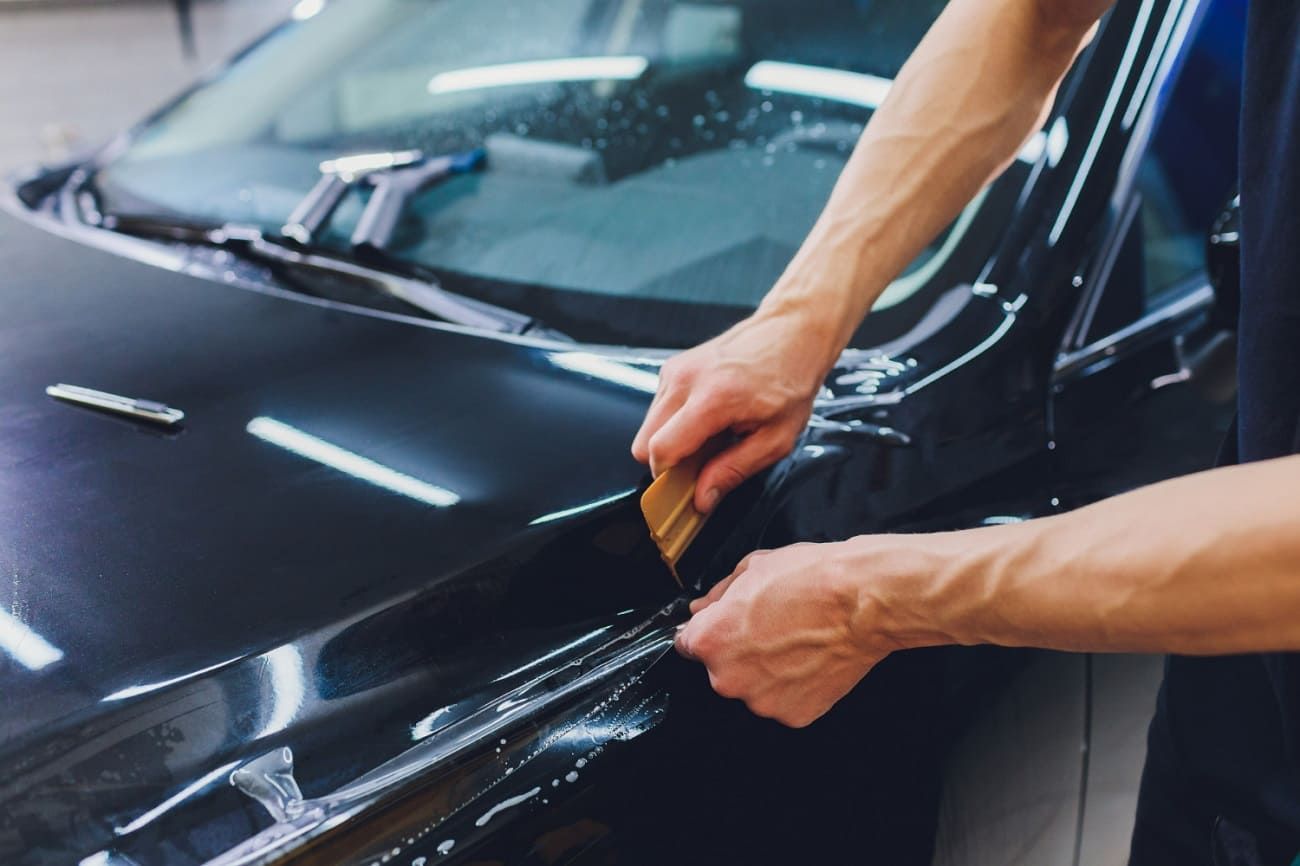
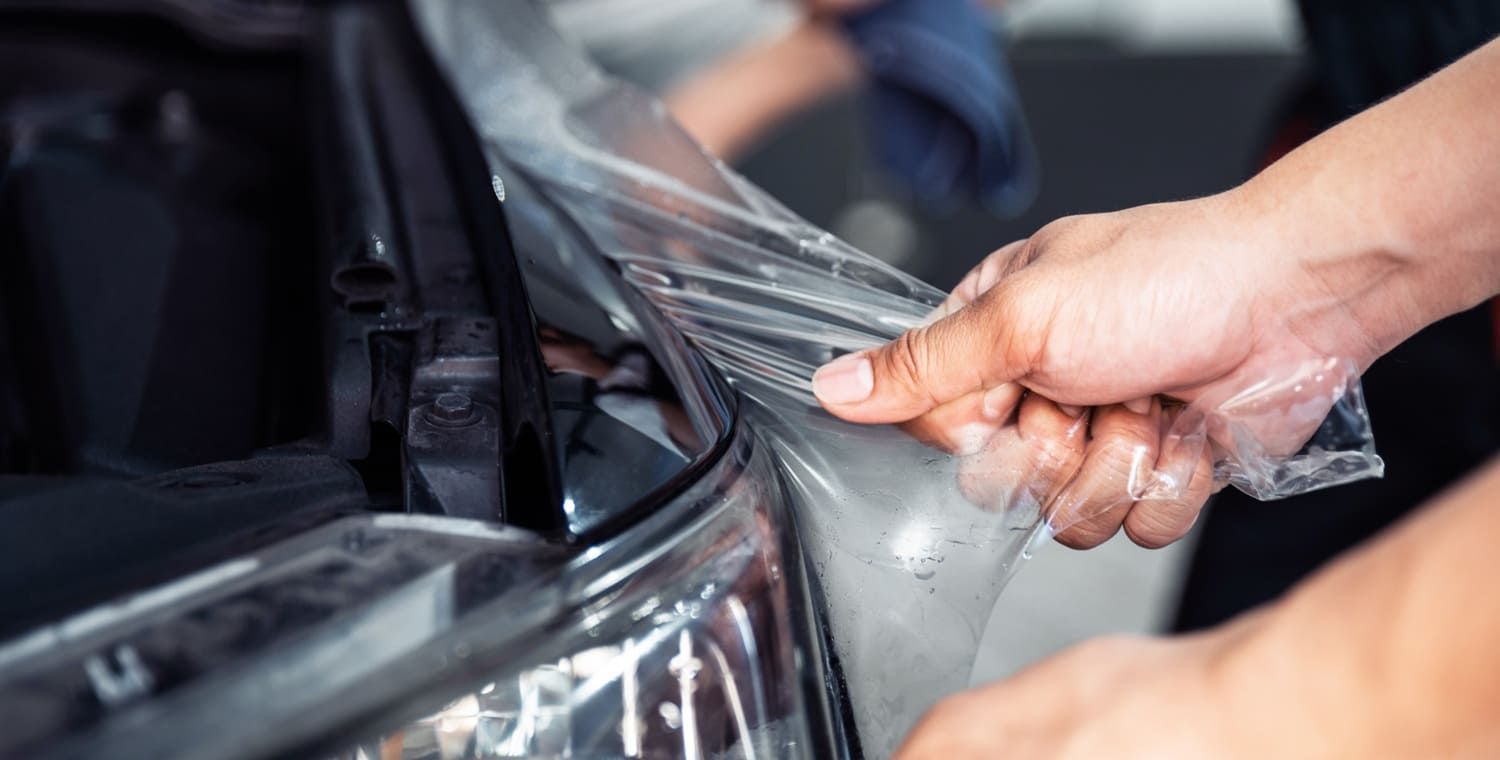
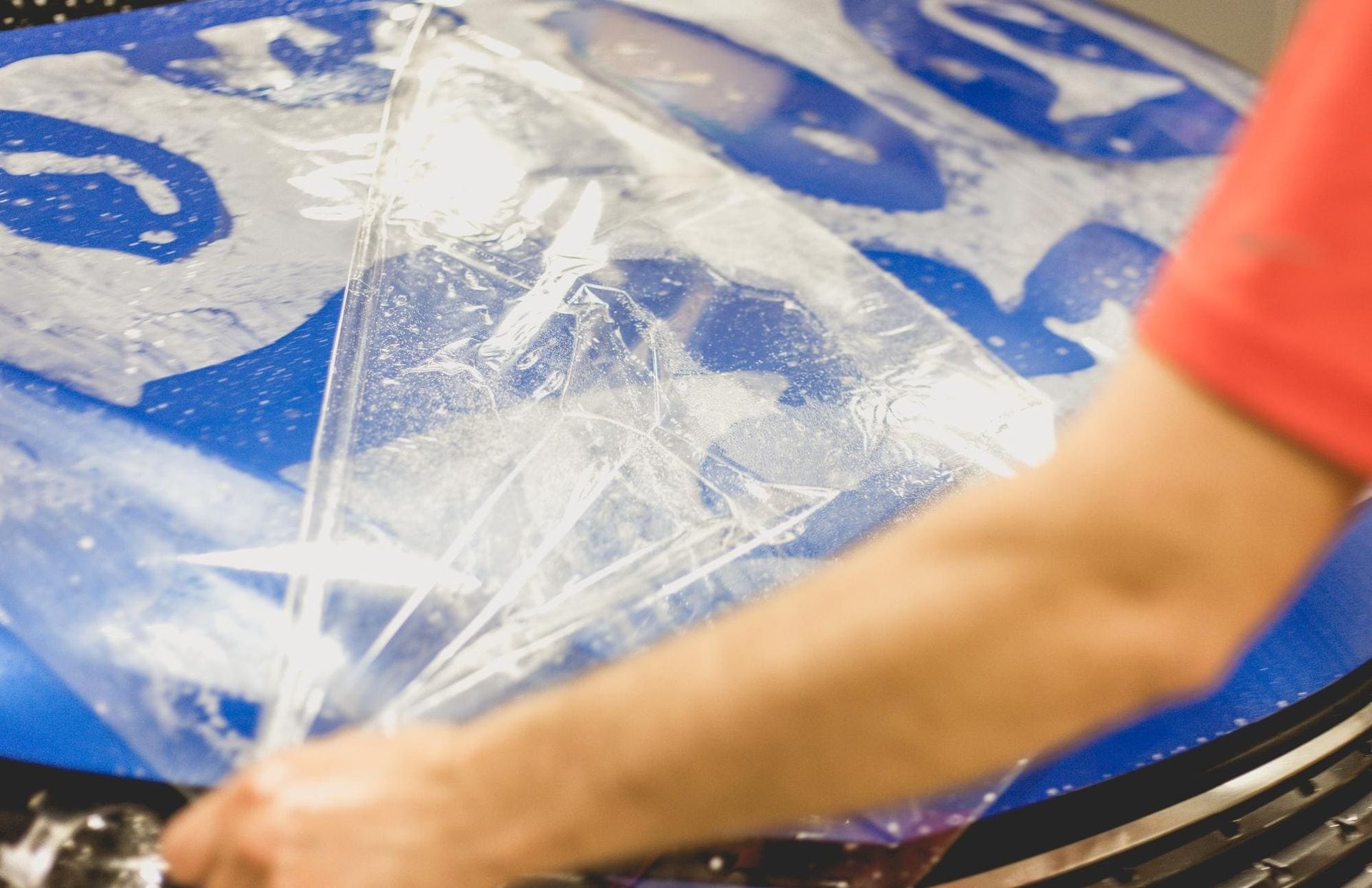
PPF works by absorbing impact energy before it reaches your paint. Quality films like 3M Pro Series are made from thick, flexible thermoplastic urethane. When a stone hits, the film flexes and spreads the force over a wider area instead of letting it concentrate on one tiny spot of paint. Your clear coat is hard and brittle by comparison, so it cracks under the same impact.
Modern PPF also has a self-healing top coat. Light scratches and swirl marks in the film's surface can disappear with heat from the sun or warm water, so the film keeps looking clear and glossy over time.
Here's how PPF compares with other common paint protection options against rock chips:
| Protection Type | Typical Thickness | Rock Chip Protection | Self-Healing | Typical Lifespan |
|---|---|---|---|---|
| Wax or sealant | Microscopic | None | No | Weeks to months |
| Ceramic coating | Microscopic (a few microns) | Minimal | No | 2–5+ years |
| Paint protection film (PPF) | Around 8 mils | High | Yes (top coat) | 7–10+ years |
| PPF plus ceramic coating | Film plus coating layer | High, plus easier cleaning | Yes | 7–10+ years |
The key takeaway is that ceramic coatings are excellent for gloss, easy washing, and resisting chemical stains, but they are far too thin to stop a rock. If chips are your main concern, PPF is the answer.
What PPF Can and Can't Protect Against
Setting realistic expectations is part of doing this job right. Here's what quality PPF will and won't do on Georgia roads.
PPF Reliably Protects Against
- Small stones, pebbles, sand, and gravel kicked up at highway speeds
- Road rash on the leading edge of the hood, bumper, fenders, and mirrors
- Light scratches, swirl marks, and key-ring or shopping-cart scuffs
- Bug acids, bird droppings, tree sap, and road tar that can etch paint
- UV fading and oxidation on protected panels
PPF Has Limits Against
- Large rocks or debris thrown at high speed, which can dent the panel under the film or tear the film itself
- Deep gouges from sharp metal objects
- Collision damage of any kind
- Chips that were already in the paint before installation (these should be touched up or corrected first)
Even when a severe impact damages the film, it usually absorbs enough of the hit to spare your factory paint, or at least reduce the damage. Replacing a damaged section of film is typically far cheaper than repainting a hood or bumper.
Which PPF Coverage Is Best for Georgia Highway Driving?
Most rock chips hit the front of the vehicle, but how much coverage you need depends on how and where you drive. These are the most common coverage packages.
| Coverage Package | Areas Covered | Best For | Typical Cost Range* |
|---|---|---|---|
| Partial front | Bumper, partial hood (18–24 inches), partial fenders, mirrors | Budget-focused commuters | $900–$1,800 |
| Full front | Full bumper, full hood, full fenders, mirrors, headlights | Daily GA-400 and I-285 commuters | $1,800–$3,000 |
| Track / highway pack | Full front plus A-pillars, roof edge, rocker panels | Frequent highway drivers, SUVs, trucks | $2,500–$4,000 |
| Full vehicle | Every painted panel | New luxury, exotic, or enthusiast vehicles | $5,000–$8,000+ |
*These are general North Metro Atlanta market ranges. Final pricing depends on vehicle size, body complexity, and film choice.
For most Roswell and Fulton County commuters, full front coverage is the sweet spot. A partial hood leaves a visible film edge where chips can still land on the unprotected paint behind it. Full hood and fender coverage protects the whole front with no visible line. If you drive a truck or SUV with rocker panels close to the road, adding rocker coverage helps against debris thrown by your own tires.
How to Get the Best Results From PPF
The film itself is only half the equation. Installation quality and preparation decide how well PPF performs and how long it lasts.
Protect the Paint as Early as Possible
The best time for PPF is right after you buy the car, before the first chips appear. Every mile on unprotected paint adds risk.
Correct Existing Damage First
If your paint already has chips or swirls, have them touched up or polished before the film goes on. PPF preserves whatever is underneath it, flaws included.
Choose a Name-Brand Film
Cheap, off-brand films can yellow, crack, or peel in Georgia's summer heat. 3M Pro Series is designed for optical clarity and resists yellowing, staining, and cracking, and it is backed by a manufacturer warranty.
Insist on a Precise, Custom-Cut Fit
Each piece should be cut to match your vehicle's exact make and model, with clean edges and wrapped corners where possible. Poorly fitted edges lift and collect dirt.
Add Ceramic Coating on Top
A ceramic coating over PPF makes the film slicker, easier to wash, and more resistant to bugs and grime. It's a popular combination for daily highway drivers.
Follow Simple Aftercare
Let the film cure for about a week before washing it. After that, wash normally, avoid aiming a pressure washer at film edges, and follow the care instructions from your installer.
Is PPF Worth It for Georgia Drivers?
For most drivers who spend real time on the highway, yes. Compare the cost of prevention with the cost of repair:
- Professional touch-up of a handful of chips can run $100 to $300 and never looks perfect.
- Repainting a front bumper often costs $400 to $1,000.
- Refinishing a hood can cost $500 to $1,500 or more.
Repaint work can also show up on a vehicle history inspection, which lowers resale value.
PPF makes the most financial sense if you:
- Drive a new, leased, or high-value vehicle
- Commute daily on GA-400, I-285, I-75, or I-85
- Plan to keep your car for years or want strong resale and trade-in value
- Want to avoid lease-return charges for front-end paint damage
Why Roswell Drivers Choose East Coast Tint Enterprise for PPF
East Coast Tint Enterprise is an Authorized 3M Dealer, and we use 3M Paint Protection Film Pro Series for our clear bra installations.
Every kit is custom cut for your exact vehicle, and our films are backed by warranties against cracking, peeling, and yellowing.
Customers across Roswell and Fulton County trust us because we take the time to explain their options. We'll show you the difference between coverage packages, answer your questions honestly, and recommend protection that fits how you actually drive. As a one-stop auto customization shop, we can also pair your PPF with 3M ceramic coating, paint correction, or window tint, all under one roof. We guarantee your complete satisfaction with every installation, and se habla español.
Frequently Asked Questions About PPF and Rock Chips
Does PPF completely prevent rock chips?
PPF prevents the vast majority of rock chips from normal highway driving. Very large or fast-moving debris can still dent the panel or damage the film, but the film usually protects the factory paint underneath.
Is ceramic coating enough to stop rock chips?
No. Ceramic coatings are only a few microns thick and are designed for gloss, easy cleaning, and chemical resistance. They don't have the thickness or flexibility to absorb rock impacts. PPF is the right product for chip protection.
How long does PPF last in Georgia's climate?
Quality PPF like 3M Pro Series typically lasts 7 to 10 years or more with proper care. The film is UV stable and resists yellowing, even through hot, humid Georgia summers.
Can you see PPF on a car?
Professionally installed PPF is nearly invisible. It has a high-gloss finish, and on full panels the edges are wrapped or placed along body lines so they are very hard to spot.
Can PPF be removed without damaging paint?
Yes. Quality PPF applied over healthy factory paint can be removed professionally without harming the finish, which makes it a good choice for leased vehicles.
Should I get PPF on a leased car?
Often, yes. Front-end chips are a common source of lease-return charges, and PPF can help you avoid them. The film can be removed before you turn the vehicle in if needed.
How long does PPF installation take?
Partial or full front installations usually take one to two days. Full-vehicle wraps can take several days, depending on the vehicle and the coverage.
Protect Your Paint Before the Next Rock Hits
PPF really does prevent rock chips on Georgia highways. It's the only paint protection thick and flexible enough to absorb the gravel and debris kicked up on GA-400, I-285, and every other metro Atlanta commute. It won't stop every extreme impact, but it protects your paint from the everyday damage that slowly wears down your vehicle's value.
If you live or work in Roswell, Alpharetta, Milton, Johns Creek, Sandy Springs, or elsewhere in Fulton County, East Coast Tint Enterprise is ready to help. You can:
- Request a free estimate online
- Book your appointment online
- Call (954) 865-7503
- Visit us at 11405 Alpharetta Hwy, Building D, Roswell, GA 30076, Monday through Friday from 10 am to 6 pm or Saturday from 10 am to 4 pm